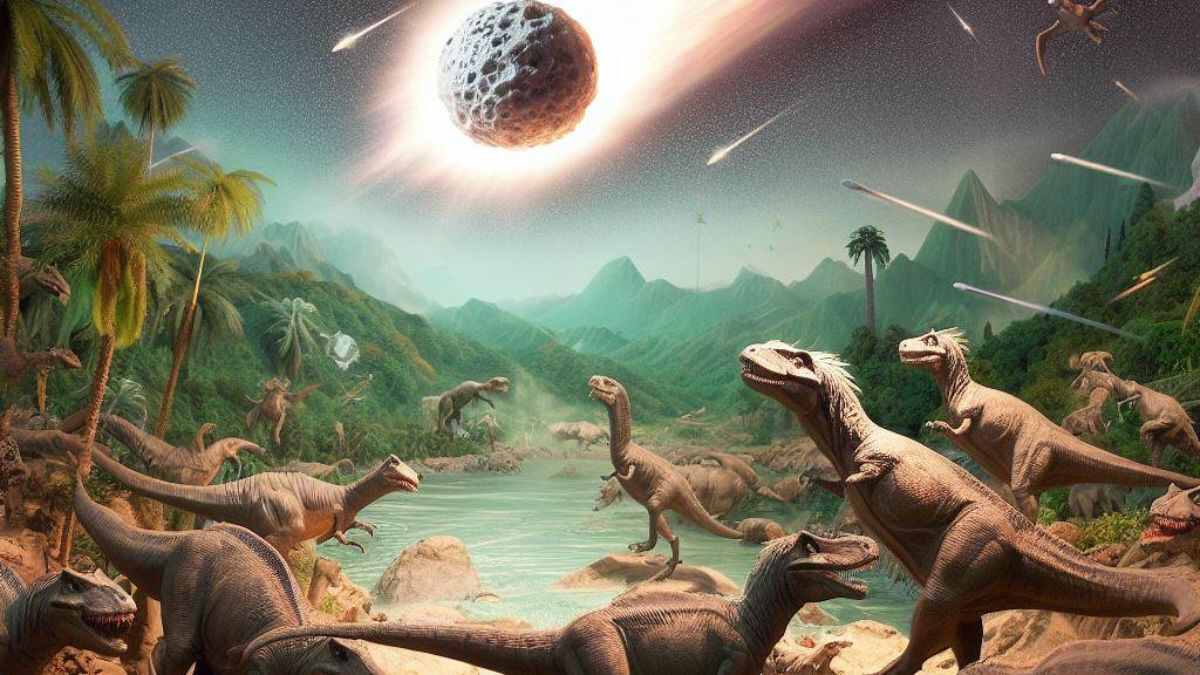
For decades, the prevailing narrative of the dinosaurs’ demise has been a dramatic, single-catastrophe story. A colossal asteroid, striking Earth with the force of billions of atomic bombs, plunged the planet into a perpetual “impact winter,” wiping out the mighty dinosaurs in a geological instant. This event, marking the end of the Cretaceous period 66 million years ago, has been a cornerstone of popular science and paleontology. However, groundbreaking new research is fundamentally challenging this simplified timeline. A comprehensive study, synthesizing global fossil data, climate models, and geological evidence, suggests the extinction timeline was far more complex, involving a nuanced interplay of long-term environmental stressors that left ecosystems vulnerable, with the asteroid delivering the decisive, final blow. This rewrite not only changes our understanding of the dinosaurs’ final days but also offers profound insights into the nature of mass extinctions and the resilience of life on Earth.
This article delves deep into the multifaceted evidence, exploring the traditional theory, the compelling new data that complicates it, and the sophisticated modern methodologies driving this paradigm shift in paleontology.
A. The Established Cataclysm: The Chicxulub Impact Event
The traditional hypothesis is powerfully supported by a robust body of evidence. The discovery of the Chicxulub crater, a 150-kilometer-wide scar buried beneath the Yucatán Peninsula in Mexico, provided the smoking gun. Geologically dated to exactly 66 million years ago, its existence confirmed a planet-altering collision.
The global geological layer known as the K-Pg (Cretaceous-Paleogene) boundary holds further clues. This thin band of sediment, found worldwide, is abnormally rich in iridium, a rare element on Earth’s surface but common in asteroids. This iridium spike is a direct cosmic fingerprint. The same layer also contains shocked quartz (crystals deformed by immense pressure) and tektites (glass spherules formed from molten rock ejected during the impact), painting a picture of a violent, global event.
The postulated immediate consequences are apocalyptic:
-
Instantaneous Effects: The impact triggered megatsunamis, global wildfires, and seismic waves of unimaginable scale.
-
Impact Winter: The primary kill mechanism. Vast quantities of pulverized rock and sulfur aerosols were ejected into the upper atmosphere, blocking sunlight for years to decades. This halted photosynthesis, collapsed food chains, and caused global temperatures to plummet.
-
Acid Rain: The vaporization of sulfur-rich rock and ocean water led to prolonged bouts of highly acidic rain, further damaging ecosystems and marine life.
This model positions the asteroid as the sole, swift executioner of all non-avian dinosaurs. However, the new study asks a critical question: Were the dinosaurs already on the brink?
B. The Paradigm Shift: Evidence for a Pre-Impact Decline
The latest research, employing big-data analytics on fossil collections and high-resolution climate modeling, points to a significant, multi-million-year decline in dinosaur biodiversity before the asteroid struck. This challenges the idea of a thriving dynasty cut short without warning.
1. Fossil Record Analysis and Sampling Bias Correction:
Earlier interpretations of a sudden extinction were potentially misled by gaps in the fossil record a phenomenon known as the “Signor-Lipps Effect.” This effect states that a sudden extinction can appear gradual in the fossil record because the last fossil of a species is rarely from the exact moment it died out. The new study uses advanced statistical models to account for these gaps. By analyzing thousands of global dinosaur occurrences, researchers have identified a clear pattern: for up to 10 million years before the K-Pg boundary, the rate of dinosaur speciation (formation of new species) was falling, while extinction rates were rising, particularly among large herbivores. This suggests a loss of ecosystem stability and resilience.
2. The Role of Sustained Volcanism: The Deccan Traps
Concurrent with the dinosaurs’ proposed decline was one of Earth’s most immense volcanic events: the Deccan Traps flood basalts in modern-day India. This was not a typical volcano but a series of apocalyptic eruptions that spewed lava over an area the size of France, releasing staggering amounts of gases over hundreds of thousands of years.
-
Greenhouse Gas Pulses: The eruptions released colossal volumes of carbon dioxide (CO2), leading to prolonged periods of global warming. This rapid climate change would have disrupted plant life and habitats.
-
Intermittent Cooling: Simultaneously, the eruptions emitted sulfur dioxide (SO2), which can form aerosols that reflect sunlight, causing short-term cooling phases. This whipsaw between warming and cooling created extreme climatic instability.
-
Ocean Acidification and Anoxia: The increased CO2 also acidified the oceans, while nutrient runoff may have caused dead zones. This double-pronged assault would have devastated marine ecosystems, which also show signs of pre-impact stress.
The new model proposes that these eruptions triggered a cascading ecological crisis. Changes in climate altered plant communities; the decline of specific flora affected large herbivorous dinosaurs; the struggle of these herbivores then impacted the carnivores that preyed upon them. Ecosystems became simplified and less diverse, losing their ability to buffer shocks.
3. Biogeographic Disparities and Habitat Loss
The study further highlights that the decline was not uniform. Dinosaur communities in certain regions, like North America, show stronger signs of stress than those in Asia. This is likely linked to:
-
Sea-Level Fall: Towards the late Cretaceous, sea levels dropped significantly, draining inland seas (like the Western Interior Seaway of North America) and connecting landmasses. This destroyed specialized coastal habitats, increased competition, and allowed for the spread of diseases and new predators. The loss of these vast marine barriers also led to faunal mixing, which can drive specialized species to extinction.
-
Floral Turnover: The rise of flowering plants (angiosperms) was transforming landscapes. While this began long before the end-Cretaceous, some analyses suggest changes in the abundance and nutritional quality of key plant food sources may have put stress on giant herbivores like the hadrosaurs and ceratopsians.
C. Synthesizing the New Timeline: A Perfect Storm of Events
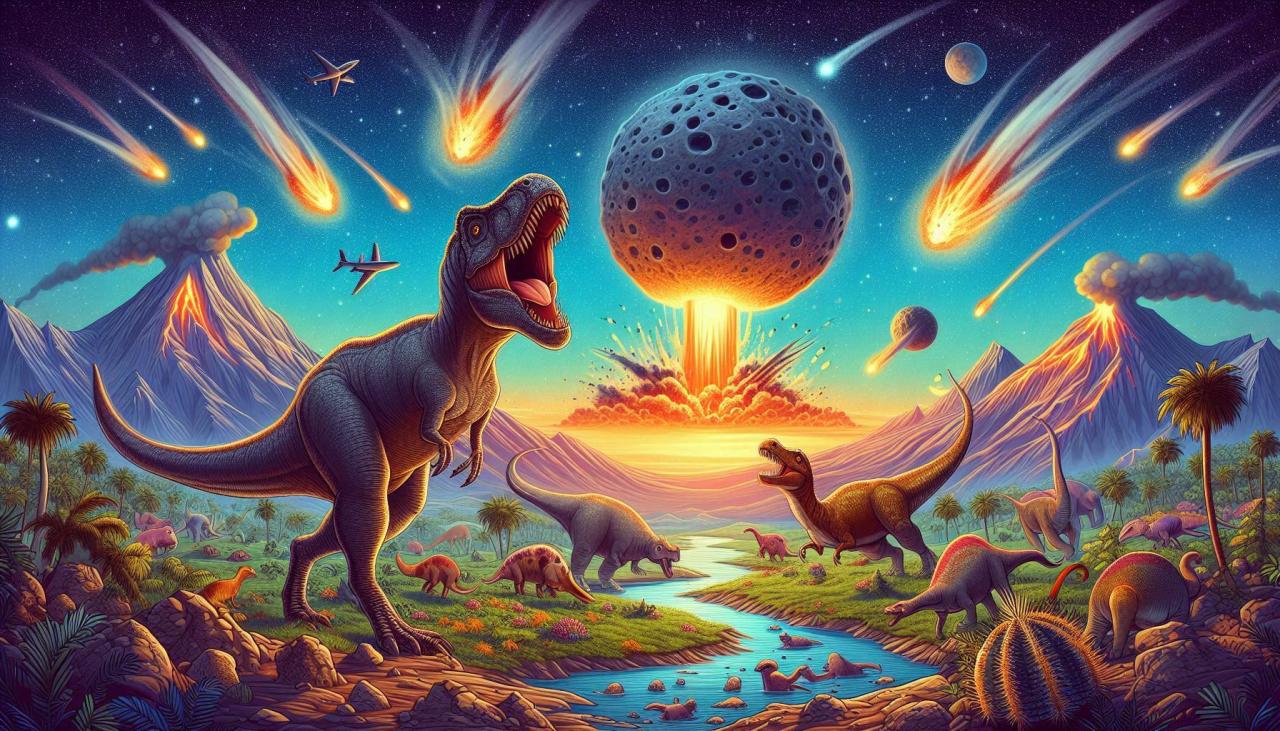
The revolutionary insight is not that the asteroid didn’t happen, but that its effectiveness depended on the weakened state of global biosphere. The new, more nuanced extinction timeline unfolds as follows:
Phase 1: The Long Degradation (Approx. 10-5 Million Years Before Impact)
The pulsed eruptions of the Deccan Traps initiate a period of climate volatility. Ecosystems begin to fray under the stress of warming, cooling, and ocean chemistry changes. Dinosaur biodiversity starts a gradual but measurable decline, with some groups disappearing entirely. The world’s biota is under chronic stress.
Phase 2: The Acute Crisis (Approx. 1 Million Years Before Impact)
Some data suggests a particularly intense pulse of volcanism in the final million years, leading to a more rapid deterioration. Fossil sites from this time show less diverse and abundant dinosaur fauna. The planet and its life are in a precarious state, akin to a patient whose immune system is already compromised.
Phase 3: The Final Blow (66.043 Million Years Ago)
The Chicxulub asteroid strikes. For a healthy, robust global ecosystem, this might have been a survivable, if devastating, event. Some groups, like crocodilians and mammals, did survive. But for the already-stressed, simplified dinosaurian ecosystems, it was the knockout punch. The impact winter was the final, insurmountable challenge. It delivered a simultaneous, global shock that the chronically ailing populations could not withstand. The non-avian dinosaurs, along with pterosaurs, marine reptiles, and ammonites, were erased.
Phase 4: Asynchronous Recovery
Recovery did not happen overnight. The study emphasizes that the “dead zone” in the fossil record after the impact lasted for thousands of years. The first thriving ecosystems were in river valleys and specific refugia. This pattern of recovery further supports the idea that the extinction was a severe bottleneck, filtering life through the tightest of sieves.
D. Methodological Revolution: How Science is Rewriting History
This revised narrative is only possible due to technological and methodological advances:
-
High-Precision Radiometric Dating: Techniques like argon-argon dating now allow scientists to date volcanic rocks from the Deccan Traps and impact ejecta with astonishing precision, down to tens of thousands of years, allowing them to sequence events accurately.
-
Climate and Ecosystem Modeling: Sophisticated computer models can now simulate the atmospheric and oceanic effects of both prolonged volcanism and a sudden impact, quantifying their respective contributions to temperature change, acid rain, and darkness.
-
Big Data Paleontology: By digitizing and analyzing vast fossil databases, researchers can perform global biodiversity analyses that were impossible 30 years ago, moving beyond local fossil sites to see planetary-scale patterns.
E. Implications and Lessons for the Modern World
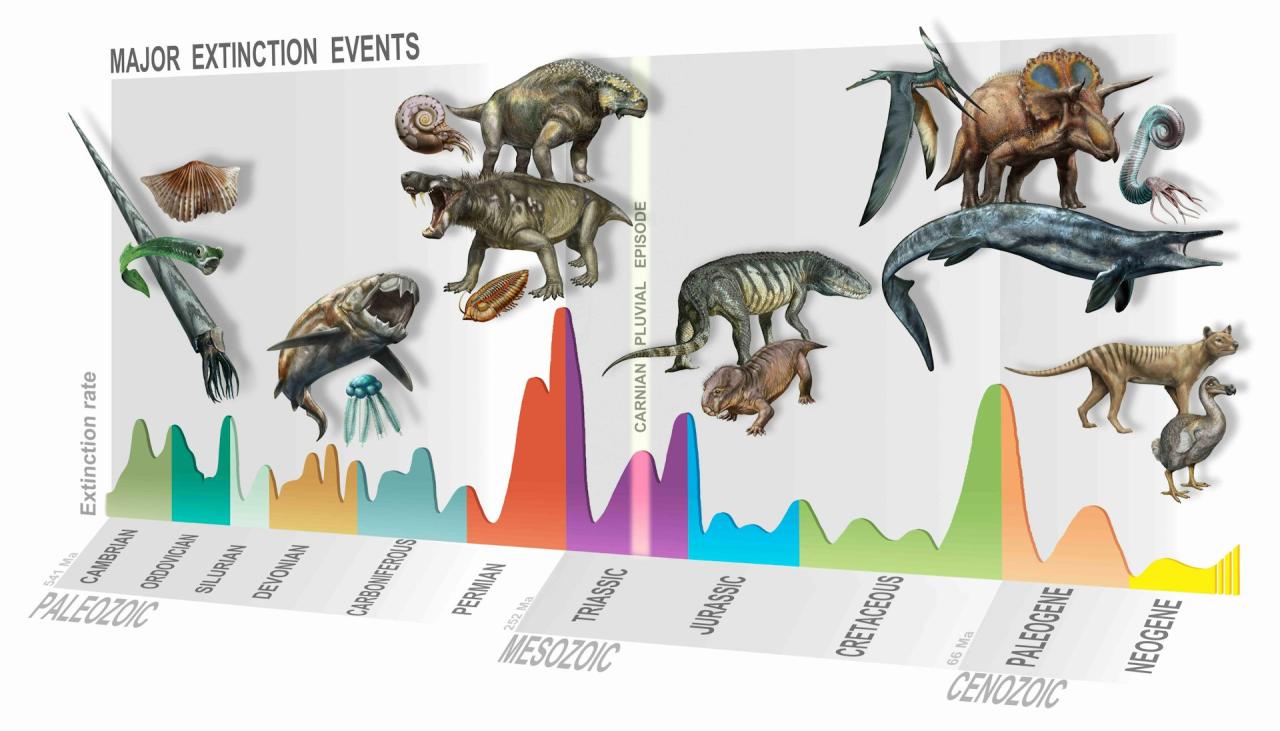
This revised extinction timeline transcends dinosaur fascination; it holds a mirror to our current planetary crisis.
-
The Danger of Compound Stressors: Dinosaurs likely faced not one, but multiple, synchronized threats: climate change, habitat fragmentation, and ecological shift. Today, biodiversity faces a similar “perfect storm” from anthropogenic climate change, habitat destruction, pollution, and invasive species.
-
Resilience Matters: The study underscores that ecosystem resilience is a buffer against catastrophe. The dinosaurs’ long-term decline eroded this buffer, making the final shock unsurvivable. Protecting biodiversity today is fundamentally about maintaining ecological resilience.
-
The Nature of Extinction: It shows that mass extinctions are rarely simple events. They are often complex processes where a major trigger exploits pre-existing weaknesses. Understanding this complexity is key to interpreting both Earth’s past and safeguarding its future.
In conclusion, the iconic story of the dinosaur’s end is being rewritten from a sudden, spectacular catastrophe to a tragic, drawn-out drama with a cataclysmic finale. The asteroid remains the undeniable coup de grâce, but it landed on a world already reeling from millions of years of volcanic-induced turmoil. This sophisticated, evidence-based narrative not only deepens our understanding of one of Earth’s most pivotal moments but also serves as a powerful, evidence-based cautionary tale about the fragility of life in the face of compounded environmental crises. The dinosaurs’ true legacy may no longer be just their magnificent size and dominance, but the complex, sobering story of their decline, offering critical lessons as we navigate the Anthropocene epoch.