

In an era where digital devices are ubiquitous, understanding their impact on the youngest members of our society has never been more urgent. Groundbreaking research into childhood screen time has unveiled the existence of critical, sensitive windows during early development when the brain is exceptionally vulnerable to digital stimulation. This isn’t merely about limiting hours; it’s about recognizing that when children are exposed to screens can be just as consequential as how much. The implications of these findings are profound, reshaping the conversation from simple time management to nuanced developmental safeguarding. This comprehensive analysis delves into the neuroscience behind these critical windows, explores the multifaceted effects on a child’s growing mind, and provides actionable, evidence-based strategies for parents and caregivers navigating the digital landscape.
Decoding the Critical Windows: Why Timing is Everything
The human brain does not develop at a uniform pace. Instead, it progresses through a series of rapid, highly specialized growth periods, often called “critical” or “sensitive” windows. During these phases, neural circuits are exceptionally plastic, meaning they are being shaped and reinforced by experiences. This plasticity is a double-edged sword: it allows for incredible learning and adaptation, but also makes the brain more susceptible to negative environmental inputs.
Recent longitudinal studies, utilizing advanced neuroimaging and behavioral tracking, have pinpointed two primary windows of heightened vulnerability to screen-based media:
A. The Sensorimotor & Language Window (Ages 0-3): This period is foundational for language acquisition, sensorimotor integration, and the formation of secure attachment. The brain is rapidly mapping sounds to meanings, learning to coordinate sensory input with physical action, and developing core emotional regulation through responsive human interaction. Non-interactive, fast-paced screen content can disrupt these processes by providing impoverished, non-contingent stimuli that do not respond to the child’s cues.
B. The Executive Function & Social-Emotional Window (Ages 3-5): This window is crucial for the development of executive functions the mental skills encompassing working memory, cognitive flexibility, and inhibitory control. It is also a vital time for learning complex social cues, empathy, and imaginative play. Excessive screen use, particularly with passive or algorithmically-driven content, can shortcut the brain’s need to practice focus, manage boredom, and engage in the slow, sometimes frustrating work of building these foundational skills.
The Multidimensional Impact: Beyond Just “Bad for Eyes”
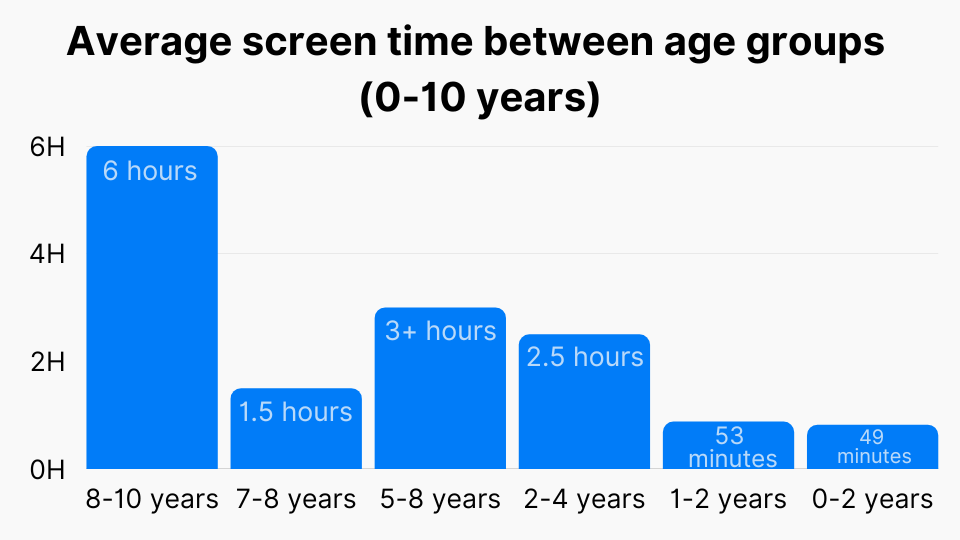
The effects of unregulated screen time during these sensitive periods are not monolithic; they cascade across multiple domains of development, with long-term correlations that extend well into the school years and adolescence.
A. Cognitive and Academic Consequences
Excessive early screen exposure is correlated with measurable differences in brain structure, particularly in areas related to language, executive function, and attention. Children with high screen time often show:
-
Reduced Language Proficiency: Time spent with screens is time not spent in the vital “serve-and-return” conversations that build vocabulary and syntactic understanding. Background TV also reduces the quantity and quality of parent-child verbal interaction.
-
Attentional System Challenges: The hyper-stimulating, rapidly shifting scenes in many children’s programs train the brain to expect constant novelty, undermining the ability to sustain attention on slower-paced, real-world tasks like reading or listening to a teacher. This is associated with a higher risk of attention-deficit symptoms.
-
Impaired Executive Functioning: Skills like task-switching, impulse control, and working memory are less developed in children with predominant screen-based play, as they miss out on activities like puzzles, building blocks, and creative play that naturally exercise these cognitive “muscles.”
B. Social-Emotional and Behavioral Ramifications
Screens can displace the essential face-to-face interactions through which children learn to read emotions, develop empathy, and navigate social conflicts.
-
Diminished Social Competence: Reduced practice with real-time social interaction can lead to difficulties in interpreting non-verbal cues, sharing, and cooperative play.
-
Increased Emotional Dysregulation: Screens are often used as a pacification tool, which can prevent children from learning how to self-soothe and manage difficult emotions like frustration or boredom autonomously.
-
Risk of Problematic Use Patterns: Early habituation to digital dopamine hits can set a precedent for media consumption patterns, potentially increasing vulnerability to addictive media behaviors later in life.
C. Physical Health and Sensory Development
The impact extends beyond the cognitive and emotional, affecting the very wiring of sensory systems and physical health.
-
Sleep Architecture Disruption: Blue light emission suppresses melatonin production, but the cognitive arousal from content also delays sleep onset and reduces sleep quality, which is itself critical for brain consolidation and growth.
-
Sedentary Lifestyle Inception: Screen time is inherently sedentary, displacing active play that is crucial for gross motor development, coordination, and establishing healthy physical activity habits.
-
Sensory Integration Issues: An over-reliance on two-dimensional, hyper-visual stimuli can potentially hinder the integrated development of all senses (vestibular, proprioceptive, tactile), which is foundational for learning and behavior.
Navigating the Digital Terrain: A Strategic Guide for Modern Caregivers
Armed with the knowledge of critical windows, parents and educators can move beyond guilt and fear to implement purposeful, proactive strategies. The goal is not digital elimination, but mindful integration that protects developmental priorities.
A. Establishing Foundational Principles for Every Age
-
The Human Interaction Priority: Insist that screens never replace human conversation, physical play, or shared reading. The co-viewing of content where an adult discusses and contextualizes what’s on screen can mitigate some negative effects for older toddlers and preschoolers.
-
Context & Content over Mere Count: While time limits are useful (e.g., AAP guidelines of zero under 18 months, 1 hour max for 2-5-year-olds), the quality and context of screen use are more significant. Choose slow-paced, educational, non-violent content and avoid using screens as background noise.
-
Protect Sleep and Play Sanctuaries: Enforce a strict “digital curfew” at least 60 minutes before bedtime. Keep all screens out of children’s bedrooms. Vigorously protect time for unstructured, imaginative play both indoors and outdoors.
B. Age-Specific Application of Guidelines
-
Infants (Under 18 months): Advocate for zero solo screen media use. Video-chatting with a distant family member is the exception, as it is an interactive, social experience.
-
Toddlers (18-36 months): If introducing media, do so only together. Select high-quality programming like Sesame Street and watch alongside them to help them understand and apply what they see. Keep it very short (under 30 minutes).
-
Preschoolers (3-5 years): Consistent limits remain essential. Curate their apps and programs, favoring those that promote problem-solving, creativity, and pro-social themes. Use screen time as a teaching moment for digital literacy discussing characters’ feelings or plot points.
-
Creating a Family Media Plan: Develop a documented, agreed-upon plan that outlines screen-free zones (dining table, bedrooms), screen-free times (meals, car rides, first hour home), and shared media activities. This engages the whole family in healthy habits.
Addressing Common Challenges and Counterarguments
In implementing these strategies, parents often face practical and ideological hurdles. It’s important to address these head-on:
A. “But It’s Educational!”
Not all content marketed as “educational” delivers developmental benefits, especially for children under 2. The interactive element is key. A child learns more from building a block tower that can fall than from watching a cartoon character do it. Prioritize apps that require active thinking over passive watching.
B. “I Need a Break – Screens Are My Only Respite.”
This is a valid and common reality. The goal is not to create perfect, screen-free children but to make conscious choices. Consider if other “breaks” are possible: audio stories, a designated “yes space” with safe toys, or even a few minutes of independent play while you prepare a drink. When you do use screens for respite, do so guilt-free but intentionally, choosing the content and limiting the duration.
C. “All Their Friends Are Doing It; I Don’t Want Them Left Out.”
Social pressure is real. Use it as an opportunity to become an advocate. Connect with like-minded parents to establish shared norms for playdates and parties. Educate gently about the “why” behind your choices, focusing on developmental benefits rather than judgment.
The Long-Term View: Investing in Developmental Capital

The choices made during these early, critical windows are an investment in a child’s “developmental capital.” This refers to the reservoir of cognitive, social, and emotional capacities that a child draws upon to navigate academic challenges, build resilient relationships, and manage life’s stresses. By prioritizing responsive interaction, hands-on exploration, and protected sleep and play over passive screen consumption during these formative years, we are not sheltering children from the modern world. We are giving their brains the robust, well-wired foundation they need to eventually engage with technology and all of life from a place of strength, creativity, and self-control. The research is clear: safeguarding early childhood from digital overexposure is one of the most significant investments we can make in our children’s lifelong capacity to learn, connect, and thrive.