
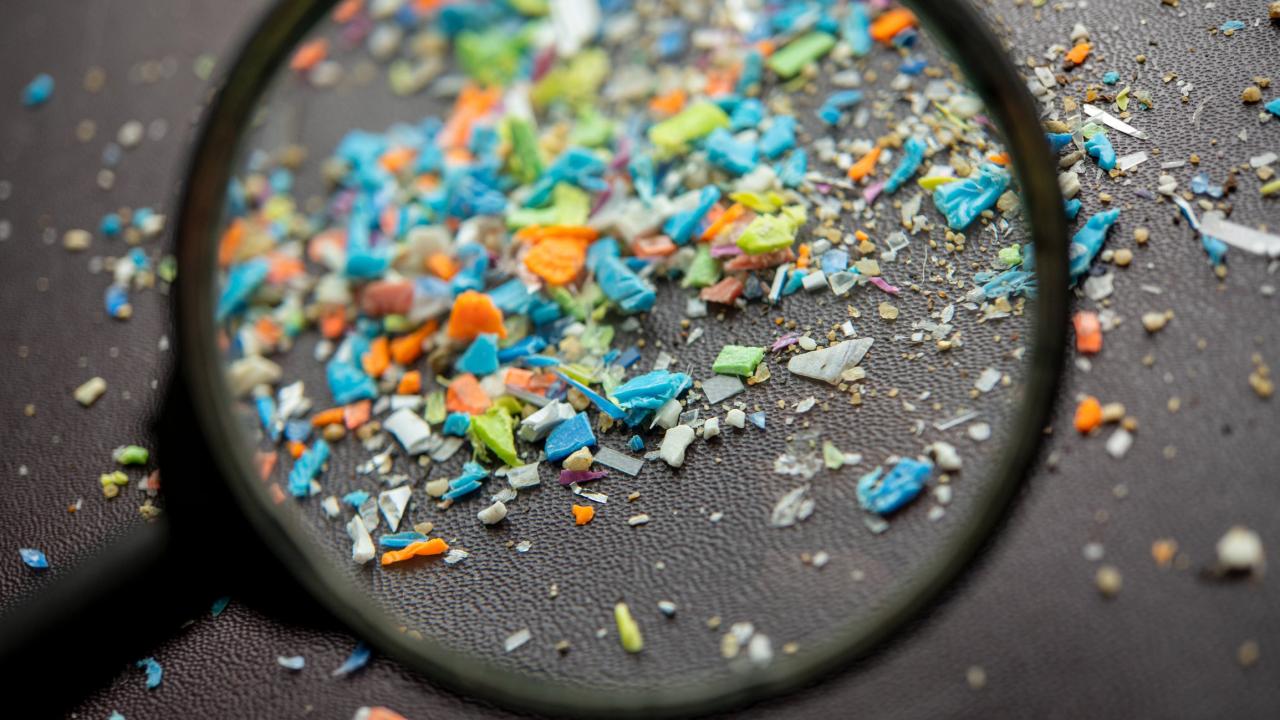
In an era defined by synthetic convenience, a silent, pervasive invader has crossed a critical threshold, moving from the external environment into the very sanctum of the human body. Recent groundbreaking research has shifted the discourse on plastic pollution from an ecological concern to a pressing, intimate public health emergency. The unsettling discovery of microplastics and even smaller nanoplastics embedded deep within human tissues from the bloodstream to the brain and placenta signals a biological invasion with consequences we are only beginning to fathom. This comprehensive analysis delves into the mechanisms of this infiltration, its potential impacts on human health, and the actionable steps we can take to mitigate this modern-age contamination.
A. Understanding the Minuscule Invaders: From Microplastics to Nanoplastics
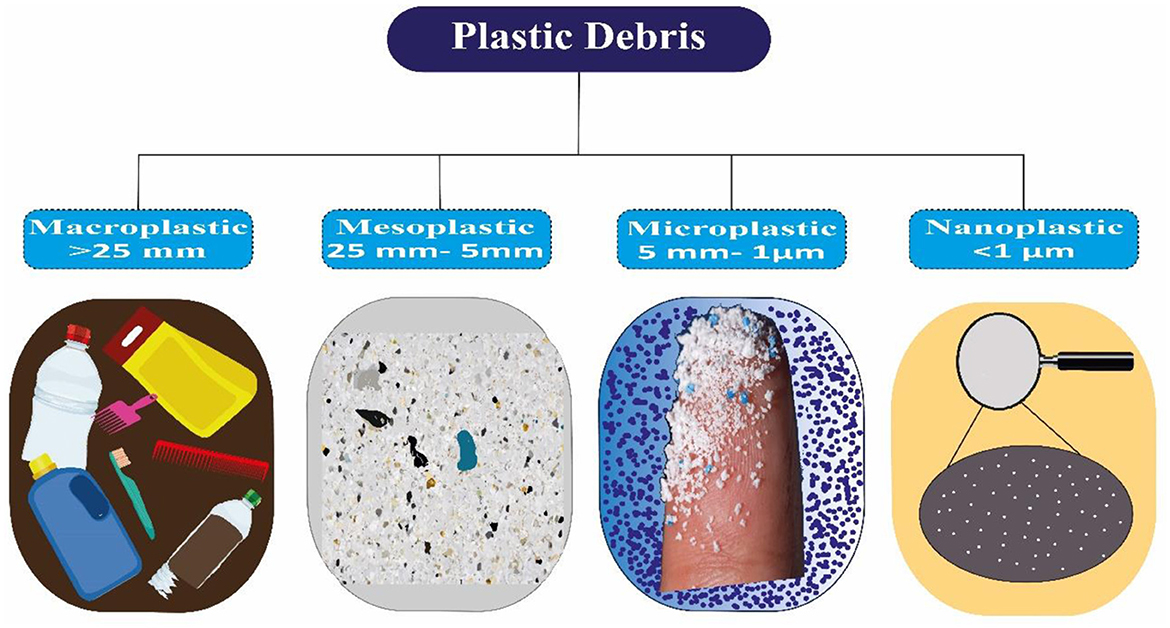
Before dissecting the invasion, one must understand the invaders. Plastic pollution is not just about bottles and bags; it’s about their disintegration into particles of insidious scale.
A. Microplastics: Defined as plastic fragments less than 5 millimeters in diameter (roughly the size of a sesame seed), they are categorized into two types. Primary microplastics are manufactured at that tiny size, found in products like facial scrubs (microbeads) and synthetic clothing fibers (microfibers from polyester or nylon). Secondary microplastics result from the breakdown of larger plastic items through environmental forces like UV radiation from sunlight, wave action, and physical abrasion.
B. Nanoplastics: An even more alarming frontier, these particles are smaller than 1 micrometer (1/1000th of a millimeter) small enough to cross cellular membranes. They originate from the further degradation of microplastics or are engineered for specific applications. Their minute size makes them extraordinarily mobile and biologically interactive.
This degradation process is relentless. A single plastic bag or water bottle can fragment into millions of micro- and eventually nano-sized particles, creating a pervasive, invisible cloud of synthetic dust that blankets our planet.
B. The Pathways of Invasion: How Plastics Enter the Human Body
The human body, once considered a fortress, is now permeable to this synthetic onslaught through multiple, daily routes of exposure.
A. Ingestion – The Primary Route: This is the most significant pathway. Microplastics contaminate our food and water at staggering levels. Studies have found them in seafood (especially shellfish), sea salt, honey, beer, and most notably, in both tap and bottled water. A single liter of bottled water can contain hundreds of thousands of nanoplastic particles. Furthermore, plastic food packaging, especially when heated, can leach particles directly into our meals. The average person is estimated to ingest a credit card’s worth of plastic (approx. 5 grams) every week through food and water alone.
B. Inhalation – The Airborne Threat: The air we breathe, both indoors and outdoors, is laden with microplastic fibers. Indoor environments are particularly contaminated due to shedding from synthetic textiles, carpets, and upholstery. These airborne fibers are inhaled deep into the lungs, potentially causing localized inflammation or translocating into the bloodstream. Outdoor air carries particles from tire wear (a major source), city dust, and degraded plastic waste.
C. Dermal Exposure – A Subtle Infiltration: While the skin is a good barrier, nano-sized plastics and plastic-associated chemicals (like phthalates and bisphenols) in personal care products (cosmetics, lotions) can potentially penetrate through hair follicles or compromised skin. The full extent of dermal absorption is still under intense investigation.
Once inside, these particles are not inert passengers. Their tiny size, especially in the case of nanoplastics, allows them to pass through the gut lining (entering the lymphatic and circulatory systems), the alveoli in the lungs, and even the sophisticated blood-brain and placental barriers, designed to protect our most vital organs.
C. Groundbreaking Research: Documenting the Bodily Invasion
The abstract fear of contamination became concrete reality through a series of seminal scientific studies that detected and quantified plastics within the human body.
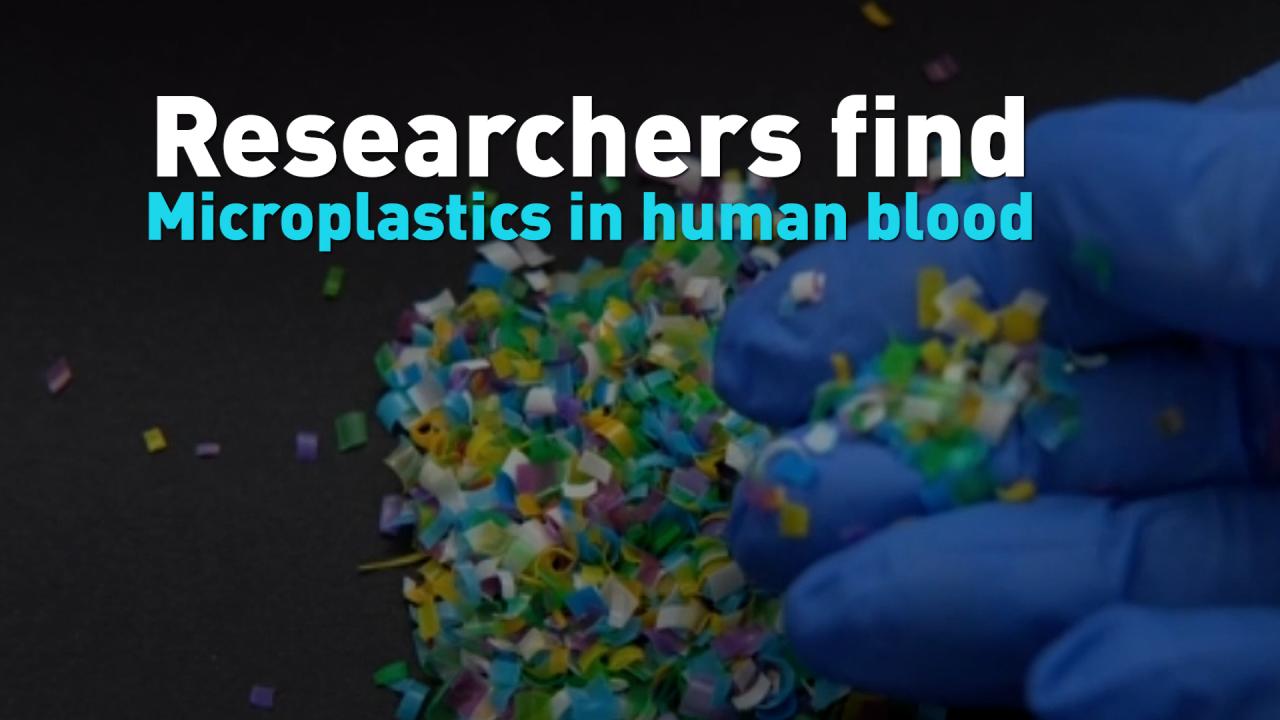
A. Pioneering Bloodstream Detection: A landmark 2022 study published in Environment International was the first to detect microplastics in human blood. Researchers found PET (common in bottles), polystyrene (packaging foam), and polyethylene (plastic bags) in nearly 80% of tested donors. This proved these particles do not just pass through the gut but circulate systemically, traveling to and potentially lodging in every organ.
B. The Cerebral Breach: Plastics in the Brain: Perhaps the most alarming research emerged in 2024, showing that nano-sized polystyrene particles, when inhaled, can travel via the olfactory nerve directly into the brain of mammals, bypassing the protective blood-brain barrier. This intracranial presence is linked to oxidative stress, changes in glial cells, and markers for neurodegenerative disorders in animal models.
C. The Intergenerational Threat: Placental and Fetal Exposure: Studies examining placental tissue have found microplastic particles on both the maternal and fetal sides. This indicates that the developing fetus, once thought to be in a sterile, protected environment, is now exposed to synthetic contaminants before taking its first breath. The long-term developmental implications are a major source of concern for endocrinologists and pediatricians.
D. Ubiquitous Organ Penetration: Autopsy studies and research on surgical samples have identified microplastics in organs with high filtration and perfusion rates, including the liver, kidneys, spleen, and lungs. Their accumulation in these vital filtration systems could impair organ function over time.
D. Potential Health Impacts: From Cellular Chaos to Systemic Disease
The physical and chemical toxicity of these particles presents a multi-pronged threat to human physiology. The science is still evolving, but the potential pathways to harm are clearly emerging.
A. Physical Damage and Inflammation: At a cellular level, sharp or irregularly shaped particles can cause abrasion and physical damage to tissues, leading to chronic inflammation a root cause of many chronic diseases, including cardiovascular disease, diabetes, and certain cancers. In the lungs, inhaled fibers can cause irritation similar to asbestos, potentially leading to fibrosis.
B. Chemical Toxicity – The Leaching Cocktail: Plastics are not pure polymers; they are loaded with additive chemicals to give them desired properties (flexibility, color, flame resistance). These include endocrine-disrupting chemicals (EDCs) like BPA and phthalates, heavy metals, and persistent organic pollutants (POPs). Once inside the body’s warm, fatty-acid-rich environment, these toxins can leach from the plastic particles. EDCs, in particular, can mimic or block hormones, interfering with reproduction, growth, metabolism, and neurological function at extremely low doses.
C. The Vector Effect – Carrying Pathogens: Microplastics in the environment act as microbial rafts, absorbing and concentrating harmful bacteria, viruses, and other pathogens (a process called the “plastisphere”). When ingested, these plastics could potentially deliver a concentrated dose of pathogens directly into the gut, increasing the risk of infection.
D. Oxidative Stress and Immune Dysfunction: The body recognizes these foreign particles as invaders, triggering an immune response. This can lead to the overproduction of reactive oxygen species (ROS), causing oxidative stress that damages cells, proteins, and DNA a key mechanism in aging and the development of chronic illnesses. A chronically activated immune system can also lead to autoimmune issues and reduced resilience.
E. The Nanoplastic Wildcard: Due to their size, nanoplastics can interact directly with cellular machinery, potentially disrupting mitochondrial function (the cell’s power plant) and even entering the nucleus, where they could theoretically cause genotoxic effects. Their high surface-area-to-volume ratio also makes them exceptionally efficient at adsorbing and delivering toxic chemicals into cells.
E. Mitigation and Solutions: Reducing Personal Exposure and Systemic Pollution
While the global scale of plastic pollution is daunting, individual and collective actions can significantly reduce exposure and drive systemic change.
A. Personal Protection Strategies:
1. Filter Your Water: Invest in a high-quality water filtration system certified to reduce microplastics (reverse osmosis or nanofiltration). Dramatically reduce consumption of single-use plastic bottled water.
2. Mind Your Diet: Choose fresh, unpackaged, or minimally processed foods whenever possible. Reduce consumption of filter-feeding shellfish. Store food in glass, stainless steel, or ceramic containers never heat food in plastic.
3. Control Indoor Air: Regularly vacuum using a HEPA-filtered vacuum cleaner, damp-dust surfaces, and increase ventilation. Consider opting for natural fiber rugs, curtains, and clothing where feasible.
4. Revamp Personal Care: Scrutinize product labels, avoiding those containing “polyethylene” (PE), “polypropylene” (PP), or “polyethylene terephthalate” (PET) in scrubs, toothpaste, and cosmetics.
B. Advocating for Systemic Change:
1. Support Policy Initiatives: Advocate for bans on unnecessary single-use plastics, stricter regulations on plastic production and chemical additives, and mandatory microplastic filtration in washing machines.
2. Embrace a Circular Economy: Support companies and policies that prioritize reusable, refillable, and truly biodegradable alternatives, and design products for longevity and recyclability.
3. Demand Corporate Accountability: Hold fast-moving consumer goods (FMCG) companies accountable for the full lifecycle of their plastic packaging and support innovation in plastic-free delivery systems.
C. The Role of Science and Detoxification: Ongoing research is crucial to fully understand long-term health impacts. While the body can eliminate some particles via the hepatobiliary and renal systems, supporting these natural pathways through a healthy, antioxidant-rich diet (high in fiber, cruciferous vegetables, and phytonutrients), regular exercise, and adequate hydration is a prudent supportive measure for overall health.
Conclusion: A Call for Conscious Evolution
The discovery of microplastics within the human body is more than a scientific curiosity; it is a stark indicator of how profoundly we have altered our environment, and how those alterations are now rebounding upon us. These particles are a permanent, pervasive biomarker of the Anthropocene epoch, written not in rock strata, but in our very flesh and blood. This crisis demands a paradigm shift from viewing plastic as a disposable commodity to treating it as a persistent, hazardous material that requires stringent lifecycle management. The path forward hinges on a dual approach: urgent personal action to reduce immediate exposure and unwavering collective will to reform the systems of production and consumption that created this invisible tide. The invasion has been documented; the next chapter one of containment, mitigation, and ultimately, reversal is ours to write through informed choice, innovation, and global responsibility.