
For decades, the discourse surrounding renewable energy was tinged with cautious optimism, often framed by projections that positioned a clean energy future as a distant, gradual goal. Conventional wisdom, heavily influenced by fossil fuel incumbency and perceived technological limitations, consistently underestimated the pace of change. However, a profound transformation is underway, fundamentally rewriting the global energy narrative. Contemporary studies and real-world data now conclusively demonstrate that the transition to renewable energy sources is not only happening but is accelerating at a pace that consistently surpasses the most ambitious forecasts from just a few years ago. This acceleration is driven by a powerful, self-reinforcing cycle of technological innovation, plummeting costs, aggressive policy alignment, and shifting market dynamics. This article delves deep into the multifaceted drivers of this expedited transition, examining the key technologies at the forefront, the economic and geopolitical implications, and the challenges that must be navigated to secure a sustainable and equitable energy future.
A. The Core Drivers Fueling an Unprecedented Acceleration
The exponential growth of renewables is not a coincidence but the result of several interdependent factors converging to create an unstoppable momentum.
A.1. The Stunning Freefall in Levelized Cost of Energy (LCOE)
The most potent driver is economic. The Levelized Cost of Energy the net present cost of electricity generation over a plant’s lifetime for solar photovoltaics (PV) and onshore wind has plummeted dramatically. Since 2010, the cost of solar electricity has fallen by over 90%, and wind power by approximately 70%. This makes new solar and wind projects, in most parts of the world, cheaper than building new coal or gas-fired power plants. Crucially, they are increasingly cheaper than operating existing fossil fuel facilities. This economic supremacy undermines the traditional argument for fossil fuels based on affordability and reshapes investment portfolios globally, funneling capital away from stranded assets and towards renewable projects with superior, predictable returns.
A.2. Breakthroughs in Enabling Technologies: Storage and Grid Management
The historical intermittency critique of solar and wind the sun doesn’t always shine, the wind doesn’t always blow is being neutralized by parallel revolutions in enabling technologies.
-
Battery Energy Storage Systems (BESS): The cost of lithium-ion batteries has fallen nearly 90% in the last decade. Utility-scale battery farms are now commonplace, storing excess renewable energy for use during peak demand or low-generation periods. Innovations in battery chemistry, such as solid-state and flow batteries, promise even greater capacity, safety, and longevity.
-
Grid Modernization & Smart Grids: Advanced digital grids, equipped with sensors, AI, and real-time data analytics, are becoming more flexible and resilient. They can balance variable supply and demand, integrate distributed energy resources (like rooftop solar), and prevent cascading failures, making a high-renewables grid not only possible but more robust.
-
Green Hydrogen: Electrolyzers using renewable electricity to split water into hydrogen and oxygen offer a solution for long-duration storage and decarbonizing “hard-to-abate” sectors like heavy industry, shipping, and aviation. While still scaling, pilot projects are proliferating worldwide.
A.3. Robust Policy Frameworks and Global Geopolitical Consensus
The Paris Agreement created a foundational global consensus, but it is being operationalized through concrete national policies. Over 170 countries now have renewable energy targets. Mechanisms like carbon pricing, tax incentives (e.g., the U.S. Inflation Reduction Act), renewable portfolio standards, and streamlined permitting are providing long-term market certainty for investors. Furthermore, energy security concerns, amplified by geopolitical conflicts, have pushed nations to prioritize domestic, renewable sources over imported fossil fuels, adding a strategic imperative to the climate motivation.
A.4. The Irreversible Force of Capital Markets and Corporate Procurement
The financial sector is decisively pivoting. Major investment banks, pension funds, and insurers are increasingly restricting finance for coal and imposing climate risk assessments. Simultaneously, the rise of ESG (Environmental, Social, and Governance) investing directs trillions toward sustainable projects. On the demand side, corporate Power Purchase Agreements (PPAs) have become a massive force. Companies like Google, Amazon, and Microsoft are contracting directly for gigawatts of renewable energy to power their operations and meet net-zero pledges, creating guaranteed, large-scale demand that accelerates project development.
B. Sectoral Deep Dive: The Technologies Redefining the Landscape
B.1. Solar Photovoltaics: From Niche to Dominance
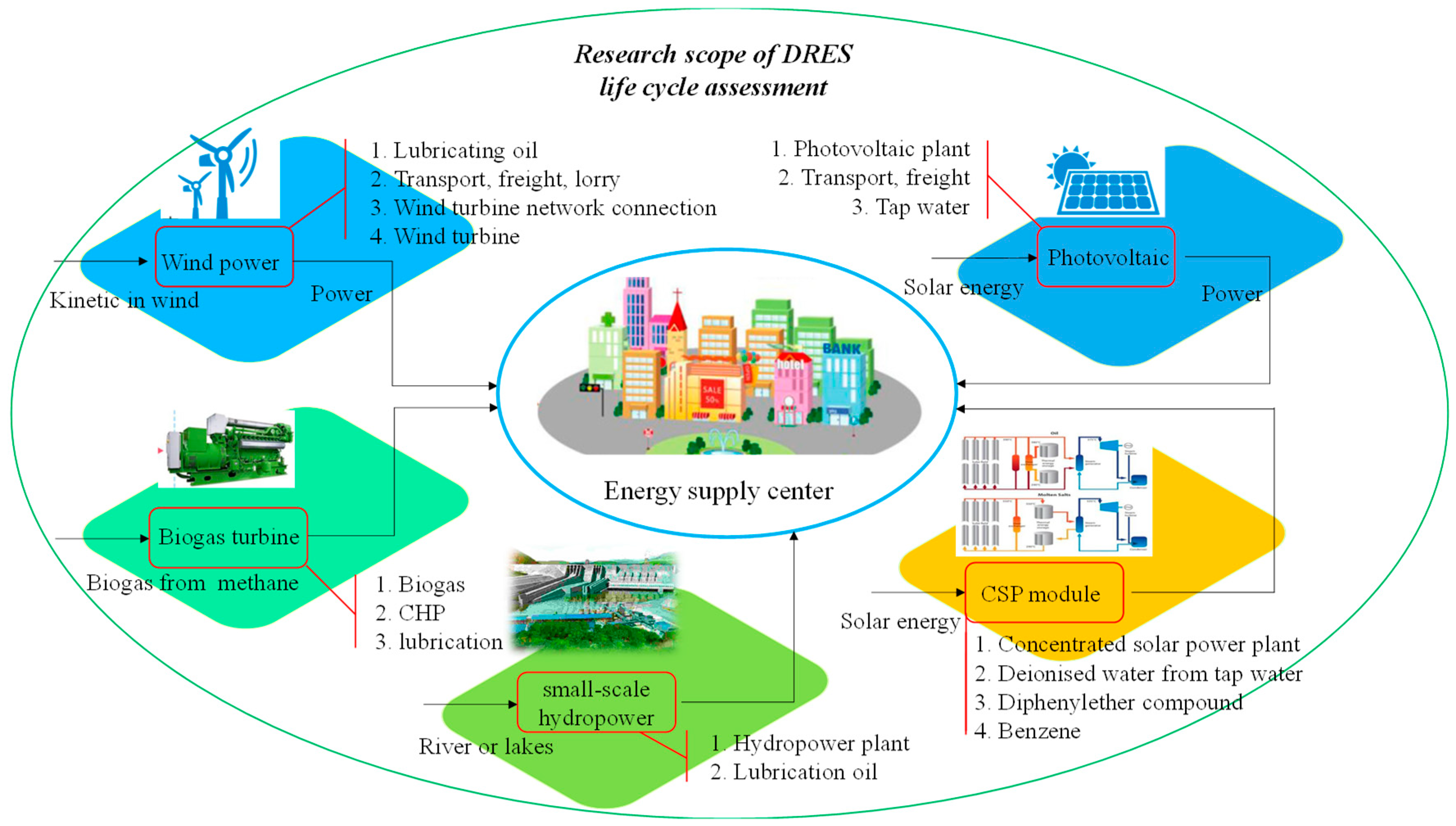
Solar PV has become the champion of the energy transition. Beyond cost reductions, efficiency gains continue. Perovskite-silicon tandem cells are breaking laboratory efficiency records, promising even more power from the same rooftop or land area. Building-Integrated Photovoltaics (BIPV) turn facades and windows into power generators. Agrivoltaics, co-locating solar panels and agriculture, optimize land use and improve crop yields in arid regions. Floating solar on reservoirs mitigates land constraints and reduces water evaporation.
B.2. Wind Energy: Scaling to New Heights
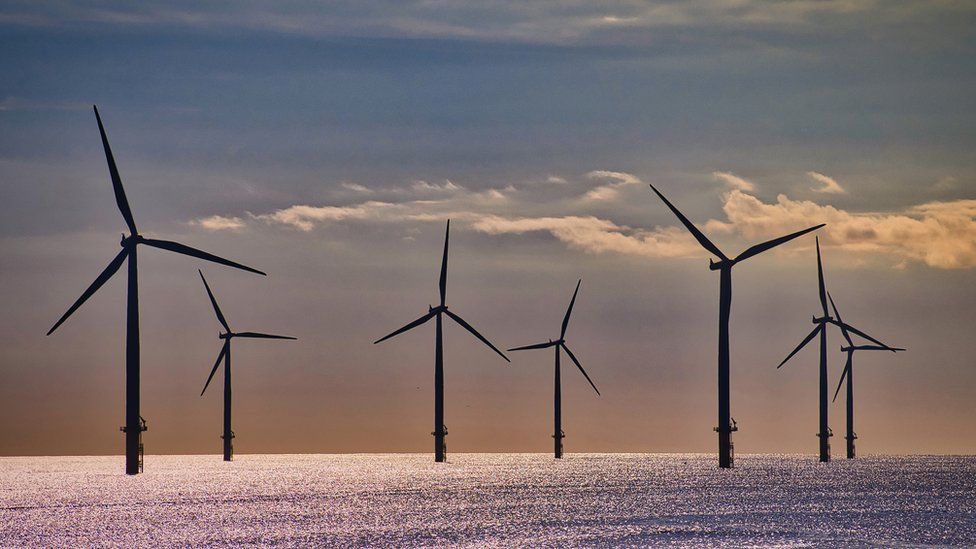
Wind technology is experiencing a “bigger is better” evolution. Offshore wind turbines now exceed 15 megawatts in capacity, with rotor diameters longer than football fields. These behemoths harness stronger, more consistent winds at sea, providing vast amounts of baseload-like power. Advancements in floating offshore wind platforms unlock deep-water sites, opening new frontiers for coastal nations. Digital twin technology and predictive AI maintenance are increasing turbine reliability and energy output while reducing operational costs.
B.3. The Emerging Frontier: Geothermal and Ocean Energy
While solar and wind lead, next-generation technologies are advancing.
-
Enhanced Geothermal Systems (EGS): Traditional geothermal is location-limited. EGS technology, which creates reservoirs in hot rock miles underground, could unlock geothermal potential anywhere, providing constant, clean power.
-
Tidal and Wave Energy: Though less mature, the predictable and immense power of the oceans is attracting investment. Pilot projects are demonstrating the feasibility of converting tidal flows and wave motion into reliable electricity, offering a complementary generation profile.
C. Implications of a Faster-Than-Expected Transition
C.1. Economic Dislocation and the Just Transition Challenge
The pace of change creates winners and losers. Regions and communities dependent on fossil fuel extraction face economic decline. Addressing this through “Just Transition” frameworks investing in workforce retraining, attracting new industries, and supporting community diversification is critical to achieving social and political sustainability for the energy shift. Failure to do so could fuel significant opposition and slow progress.
C.2. Geopolitical Realignment and Critical Minerals
The energy map is being redrawn. Traditional oil and gas powers may see their influence wane, while nations rich in critical minerals for renewables (lithium, cobalt, rare earths) gain strategic importance. This shift necessitates new international cooperation on supply chains, recycling, and material innovation to avoid new forms of resource dependency and ensure equitable access.
C.3. Grid Infrastructure and Market Design
The physical and regulatory architecture of electricity markets, built for centralized, dispatchable power, is straining under the influx of distributed, variable generation. Massive investment in long-distance, high-voltage transmission lines is required to connect optimal renewable zones with population centers. Market rules must evolve to properly value flexibility, storage, and grid services to ensure reliability and fair compensation.
D. Overcoming Persistent Hurdles on the Path to Net-Zero
Despite the momentum, significant obstacles remain. Regulatory inertia and permitting bottlenecks can delay shovel-ready projects for years. Supply chain vulnerabilities, from polysilicon to minerals, need diversification. Social acceptance and careful land-use planning, especially for large-scale projects and new transmission corridors, are paramount. Furthermore, the transition must extend beyond the power sector to transportation, heating, and industry, which will require sustained policy support and technological cross-pollination.
Conclusion: A Future Defined by Exponential Change, Not Linear Growth

The collective evidence from leading energy agencies, financial institutions, and on-the-ground deployment data points to one inescapable conclusion: the renewable energy transition has moved from a linear, projected pathway to an exponential, reality-driven trajectory. What was once a climate imperative is now an overwhelming economic and strategic one. The “fast transition” scenario is rapidly becoming the baseline. While challenges around equity, infrastructure, and integration are substantial, they are now framed as engineering and political problems to be solved, not fundamental barriers to feasibility. This accelerated shift promises a future with cleaner air, enhanced energy independence, and a stabilized climate. The task for policymakers, investors, and citizens is no longer to question if this transition will happen, but to proactively shape how it unfolds ensuring it is swift, smart, and just, securing a sustainable legacy for generations to come. The era of fossil fuels is giving way, not with a whimper, but with the roaring gusts of wind turbines and the silent, radiant power of the sun.