In a world saturated with fad diets and quick-fix health solutions, one time-tested practice has moved from the fringes of wellness into the rigorous spotlight of modern science: intermittent fasting (IF). Recent groundbreaking research has transcended the conversation from mere weight loss, uncovering profound biological mechanisms that may hold the key to enhanced longevity and vitality. This comprehensive exploration delves into the cellular secrets unlocked by intermittent fasting, explaining not just how it works, but why it might fundamentally reshape our approach to aging and disease prevention.
For centuries, various cultures and healing traditions have incorporated periods of fasting for spiritual and physical purification. Today, science is validating these ancient practices with remarkable findings. Intermittent fasting is not a diet per se, but an eating pattern that cycles between periods of fasting and eating. It does not prescribe what to eat, but rather when to eat. This simple shift in timing acts as a powerful metabolic switch, triggering a cascade of cellular and hormonal adaptations that daily eating patterns often suppress. The latest longitudinal studies and controlled trials suggest these adaptations go far beyond calorie restriction, touching the very processes that govern cellular repair, inflammation, and resilience.
The Core Principle: From Fed State to Fasted State
To understand fasting’s longevity benefits, one must first comprehend the two primary metabolic states of the body:
A. The Fed State (Anabolism): This period, which starts when you begin eating and lasts for 3-5 hours afterward, is characterized by high insulin levels. In this state, the body readily uses incoming glucose for energy and stores excess energy. Growth and storage pathways are dominant, leaving little room for cellular cleanup.
B. The Fasted State (Catabolism): After approximately 12-16 hours without calorie intake, insulin levels drop significantly. The body, depleting its liver glycogen stores, must now turn to alternative fuel sources. This initiates a metabolic shift toward fat burning and, crucially, activates critical repair and recycling processes that are dormant during the fed state.
This cyclical transition is fundamental. Modern lifestyles of constant grazing and late-night eating keep us perpetually in the fed state, robbing our cells of the essential downtime needed for maintenance. Intermittent fasting restores this vital rhythm.
Decoding the Longevity Mechanisms: A Cellular Deep Dive
The anti-aging prowess of intermittent fasting is not attributed to a single magic bullet but to a symphony of interconnected biological responses. Here are the key mechanisms research has illuminated:
A. Autophagy: The Cellular Housekeeping Revolution
Arguably the most significant discovery linking fasting to longevity is the dramatic upregulation of autophagy (from Greek: “auto-” self, “-phagy” eating). This is a meticulous intracellular recycling program where cells break down and metabolize old, dysfunctional proteins and organelles. Think of it as the body’s internal renovation crew, removing cellular debris that can contribute to aging, neurodegeneration (like Alzheimer’s and Parkinson’s), and cancer.
-
How Fasting Triggers It: Nutrient-sensing pathways, particularly mTOR (which promotes growth) and AMPK (which conserves energy), act as switches. Fasting inhibits mTOR and activates AMPK, signaling cellular stress that prompts the launch of autophagy. This clears out damaged components, providing raw materials for rebuilding and enhancing cellular efficiency.
-
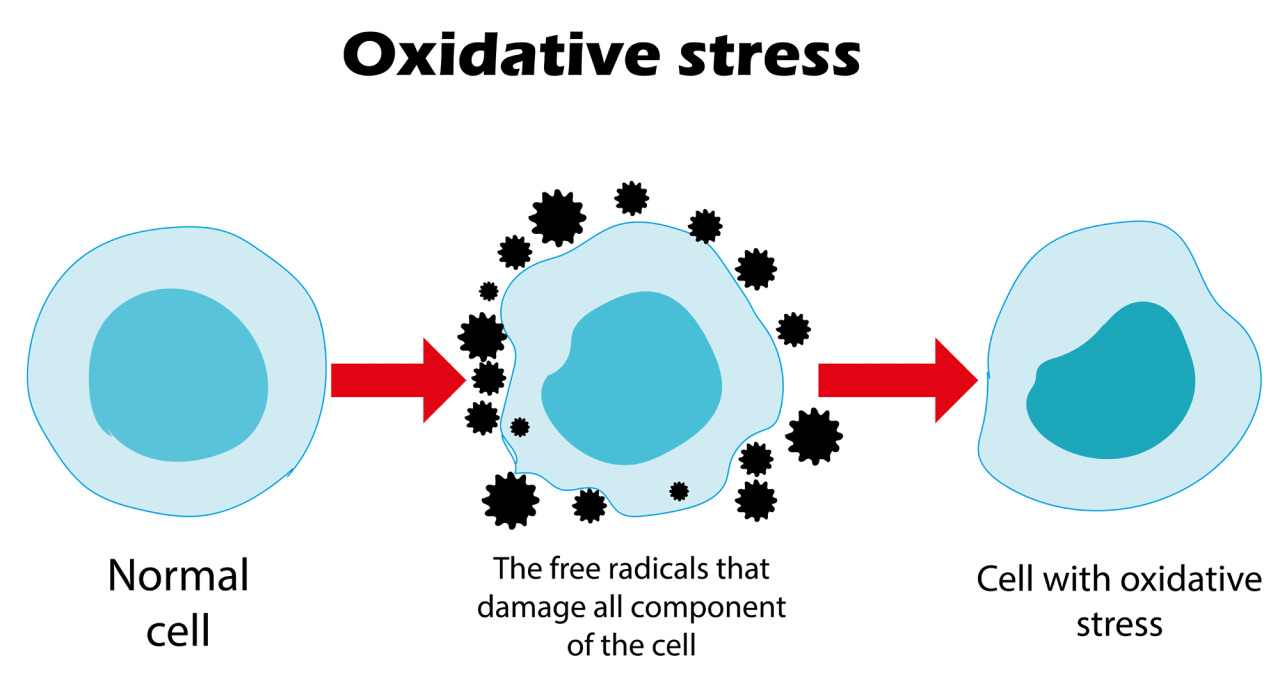
Longevity Link: By removing toxic cellular waste, autophagy reduces oxidative stress and inflammation, two primary drivers of aging. Enhanced autophagic activity is consistently observed in long-lived animal models and is considered a cornerstone of cellular rejuvenation.
B. Enhanced Insulin Sensitivity and Metabolic Switching
Chronic high insulin levels (hyperinsulinemia) are linked to inflammation, weight gain, and metabolic syndrome. IF profoundly improves how the body manages insulin.
-
The Process: During fasting windows, insulin levels drop, allowing fat cells to release stored glucose. This gives the insulin receptors a “break,” making them more sensitive when nutrients are reintroduced. The body becomes efficient at using both glucose and fat for fuel, a metabolic flexibility that is a hallmark of good health.
-
Longevity Link: Improved insulin sensitivity protects against type 2 diabetes, a major accelerator of aging. It also supports stable energy levels and reduces the storage of visceral fat, a pro-inflammatory tissue that secretes age-promoting cytokines.
C. Mitochondrial Biogenesis and Efficiency
Mitochondria are the power plants of our cells. Aging is associated with a decline in both the number and function of mitochondria. IF acts as a mild stressor (hormesis) that strengthens these crucial organelles.
-
The Process: Fasting stimulates the production of new, healthy mitochondria (biogenesis) through pathways like PGC-1alpha. Furthermore, by forcing cells to rely on fatty acids for fuel, it improves mitochondrial efficiency at burning fat and generating energy (ATP).
-
Longevity Link: Healthier mitochondria produce less reactive oxygen species (ROS or free radicals), reduce cellular damage, and improve energy output in tissues like the brain and muscles, directly combating age-related decline.
D. Reduction of Systemic Inflammation
Inflammation is the body’s healing response, but chronic, low-grade inflammation (“inflammaging”) is a root cause of nearly every major age-related disease, from arthritis to heart disease.
-
How Fasting Helps: IF reduces markers of inflammation like CRP, IL-6, and TNF-alpha. It does this by lowering oxidative stress, modulating immune cell activity, and reducing the production of inflammatory messengers from adipose tissue.
-
Longevity Link: By creating a less inflammatory internal environment, IF may slow the progression of atherosclerotic plaques, cognitive decline, and autoimmune conditions, thereby extending healthspan.
E. Hormonal Optimization: Beyond Insulin
Fasting influences several key longevity hormones:
-
Human Growth Hormone (HGH): Secretion can increase significantly (by as much as 5-fold) during a fast. HGH aids in fat metabolism, muscle preservation, and tissue repair.
-
Norepinephrine: Levels rise, boosting metabolism, focus, and alertness.
-
BDNF (Brain-Derived Neurotrophic Factor): Fasting increases BDNF, a protein that supports brain plasticity, the survival of neurons, and the growth of new neural connections, acting as a powerful shield against depression and Alzheimer’s disease.
Popular Intermittent Fasting Protocols Explored
Different methods cater to different lifestyles. Consistency is more important than perfection.
A. The 16/8 Method (Time-Restricted Feeding): This involves fasting for 16 hours daily and eating all meals within an 8-hour window (e.g., noon to 8 PM). It’s sustainable and aligns well with the body’s circadian rhythm.
B. The 5:2 Diet: This protocol involves eating normally for five days of the week while restricting calories to about 500-600 on two non-consecutive “fasting” days.
C. Eat-Stop-Eat: This involves one or two 24-hour fasts per week (e.g., from dinner one day to dinner the next).
D. Alternate-Day Fasting (ADF): A more advanced method cycling between fasting days (either zero calories or a significant reduction) and feast days.
For most longevity benefits and adherence, the 16/8 method is often recommended as a sustainable starting point.
Integrating Fasting for Longevity: A Practical, Evidence-Based Guide
To harness these benefits safely and effectively, a strategic approach is essential.
A. Start Gradually: Begin with a 12-hour fast (e.g., 7 PM to 7 AM) and slowly extend the fasting window by 30-minute increments.
B. Prioritize Nutrient Density: Breaking your fast with whole, unprocessed foods abundant in proteins, healthy fats, fiber, and phytonutrients maximizes the rebuilding phase. Think leafy greens, lean proteins, avocados, nuts, and berries.
C. Stay Hydrated: Water, black coffee, and plain tea are essential during fasting periods to maintain hydration and electrolyte balance without breaking the fast.
D. Listen to Your Body: IF is not suitable for everyone. Pregnant or breastfeeding women, individuals with a history of eating disorders, those underweight, or people with specific medical conditions like advanced diabetes should consult a healthcare professional.
E. Sync with Circadian Rhythms: Aligning your eating window with daylight hours (e.g., earlier in the day) may offer additional metabolic and synchronization benefits for your internal clock.
F. Combine with Healthy Foundations: For optimal longevity, IF should be part of a holistic lifestyle that includes regular physical activity (especially strength training), stress management, quality sleep, and social connection.
Addressing Common Questions and Myths
Myth: “Fasting burns muscle.” Fact: While prolonged starvation can, IF protocols coupled with adequate protein intake preserve muscle mass and may even promote muscle growth due to increased HGH and improved insulin sensitivity.
Myth: “It slows your metabolism.” Fact: Short-term fasts (up to 48-72 hours) can actually increase metabolic rate through the surge in norepinephrine. Metabolic slowdown is associated with chronic, severe calorie restriction, not timed eating.
Question: “Can I exercise while fasting?” Answer: Yes. Many people perform well, especially with low-to-moderate intensity or resistance training in a fasted state, which may further enhance fat adaptation. However, listen to your body and adjust timing as needed.
Conclusion: A Timeless Tool for Modern Longevity

The scientific journey into intermittent fasting has moved it from a niche weight-loss trend to a potent, accessible intervention for healthy aging. By periodically triggering autophagy, optimizing metabolic health, reducing inflammation, and boosting neuroprotective factors, IF mimics evolutionary patterns our bodies are designed to expect. It is not a panacea, but a powerful lifestyle tool that, when practiced mindfully, can help clear the cellular clutter that accelerates aging. The “longevity secret” uncovered is elegantly simple: giving our digestive systems regular, extended breaks allows our cells the focused time they need to repair, rejuvenate, and rebuild potentially adding not just years to life, but life to years. As research continues to evolve, the integration of this ancient practice with modern science offers a promising, proactive path toward sustained vitality.