

In a world that traditionally celebrates the early bird, a fascinating shift is occurring within the realms of cognitive science and psychology. Emerging research is progressively dismantling the bias towards morning larks, instead casting a spotlight on the distinct and powerful advantages held by those who thrive after dark. The “night owl” an individual whose natural sleep-wake cycle skews later is increasingly being linked to superior creative capacities, innovative problem-solving, and unique cognitive styles. This comprehensive exploration delves deep into the scientific evidence connecting nocturnality with heightened creativity, examining the neurological, psychological, and environmental factors that transform the quiet hours of the night into a fertile ground for original thought. Moving beyond mere anecdote, we will analyze how the night owl’s brain operates differently, why societal structures often misunderstand this chronotype, and how both individuals and organizations can harness the potent creative potential that awakens when the sun goes down.
Understanding Chronobiology: The Science of Sleep Timing
To fully appreciate the night owl-creativity connection, one must first understand the biological underpinnings of sleep preferences. This isn’t about discipline or habit; it’s fundamentally rooted in our innate physiology.
A. Defining Chronotypes: More Than Just Preference
A chronotype is an individual’s natural propensity for sleep and activity at certain times during a 24-hour period. It is governed primarily by the body’s internal master clock, the suprachiasmatic nucleus (SCN), located in the hypothalamus. This clock regulates our circadian rhythms, influencing alertness, hormone release (like melatonin and cortisol), body temperature, and metabolism. While most people fall on a spectrum, the two broad categories are:
– Morning Types (Larks): Those who naturally wake early, feel peak alertness in the morning, and experience an energy decline by early evening.
– Evening Types (Owls): Those who struggle with early mornings, feel gradually more alert as the day progresses, and hit their cognitive and creative stride in the late evening or night.
B. The Genetic and Neurological Foundations
Research has identified specific gene variants, such as polymorphisms in the PER3 gene, that are strongly associated with eveningness. These genetic differences affect the length of our intrinsic circadian cycle. For many owls, their internal clock runs longer than 24 hours, making a later cycle biologically natural. Neurologically, studies using fMRI scans suggest differences in the white matter integrity and functional connectivity in brain regions associated with sustained attention and creativity between chronotypes, providing a physical basis for divergent thinking styles.
The Night Owl and Creativity: Deconstructing the Evidence
The correlation between eveningness and creative thinking is supported by a growing body of interdisciplinary research. This link manifests in several key cognitive domains.
A. Divergent Thinking and Novel Idea Generation
Divergent thinking the ability to generate many unique ideas and solutions is a cornerstone of creativity. Multiple psychometric studies, using tests like the Torrance Tests of Creative Thinking (TTCT), have consistently shown that evening types outperform morning types in tasks requiring divergent thought, especially when tested during their preferred hours. The night owl’s brain, in its peak state during evening hours, appears better equipped at making remote associations, connecting disparate concepts, and bypassing conventional thought patterns.
B. Cognitive Flexibility and Mental Shifting
Creativity often requires the ability to switch between different concepts or perspectives a skill known as cognitive flexibility. The nocturnal mind exhibits a heightened capacity for this mental agility. During late hours, the reduction in top-down executive control from the prefrontal cortex (which can be fatigued after a full day) may allow for more bottom-up, associative processing. This state can reduce mental rigidity, enabling owls to see problems from unconventional angles and challenge established norms more readily.
C. The Role of Reduced Sensory Input and Solitude
The nighttime environment itself acts as a catalyst. With fewer social demands, decreased digital interruptions (if managed), and a general slowing of the external world, the night offers a unique sanctuary of low-stimulus solitude. This quietude is not empty but is instead a space rich with potential for introspective thought and deep, uninterrupted focus conditions that are essential for incubating complex ideas and engaging in profound creative work.
D. Historical and Anecdotal Precedent
While science provides the framework, history offers compelling testimony. Numerous iconic innovators, artists, and writers were renowned night owls. From Charles Dickens and Franz Kafka to modern tech pioneers, many report that their most original work emerged from the stillness of the night. This pattern suggests a long-standing, though informally recognized, synergy between nocturnality and creative output.
The Neurological After-Hours: What Happens in the Owl’s Brain?

The creative superiority of night owls isn’t magical; it’s a consequence of specific neurochemical and physiological states that align during evening hours.
A. Circadian Alignment of Cognitive Resources
For an evening type, key cognitive functions like working memory capacity, sustained attention, and processing speed naturally peak in the late afternoon and evening. Attempting high-level creative work in the morning is akin to an athlete performing before warming up the neural resources are not optimally available. When an owl works in sync with their chronotype, they are accessing their brain’s full potential at its most alert and connected state.
B. The Twilight Zone of Consciousness
The late-night period often induces a state that borders between full alertness and drowsiness. This mildly liminal state can be conducive to creativity, as it may allow for a freer flow of ideas from the subconscious. The brain’s filter, the thalamus, might slightly relax its gatekeeping, allowing more novel connections from the deeper recesses of the mind to reach conscious awareness. This can explain the “eureka” moments that often strike during these hours.
C. Dopamine and Risk-Taking Propensity
Some research indicates that evening types may have a higher baseline sensitivity to dopamine, the neurotransmitter linked to reward, motivation, and exploratory behavior. This neurochemical profile can foster a greater tolerance for ambiguity and a willingness to explore uncertain or unconventional ideas a critical component of creative risk-taking.
The Modern World’s Chronotype Conflict and Its Creative Cost
Despite their advantages, night owls face a significant challenge: societal structures are overwhelmingly designed for morning people.
A. The 9-to-5 Paradigm and Creative Suppression
Traditional work and school schedules force evening types to operate chronically out of sync with their biology, a state known as “social jet lag.” This constant misalignment leads to sleep deprivation, chronic stress, and impaired cognitive function. The cruel irony is that it directly suppresses the very creative capacities divergent thinking, mental flexibility that owls are naturally gifted with. Society is, in effect, asking them to be creative when their brain is biologically least prepared to do so.
B. The Bias Against Nocturnality
Unfair stereotypes often label night owls as lazy, undisciplined, or unreliable. This stigma overlooks the biological reality of chronotypes and devalues the unique creative and productive contributions that can occur outside standard hours. Overcoming this bias is essential for fostering inclusive environments that unlock everyone’s innovative potential.
Harnessing Nocturnal Creativity: Strategies for Owls and Organizations
Understanding this science is only valuable if applied. Here are actionable strategies for individuals and teams to leverage the night owl’s creative edge.
A. For the Individual Night Owl:
1. Chronotype Awareness and Self-Acceptance: The first step is to recognize and honor your natural rhythm without guilt. Track your energy and focus levels for a week to identify your genuine peak creative window.
2. Strategic Scheduling: Advocate for flexible hours when possible. Reserve your most demanding creative tasks brainstorming, writing, designing, problem-solving for your peak evening hours. Schedule administrative, less demanding tasks for your biological “off” periods in the early day.
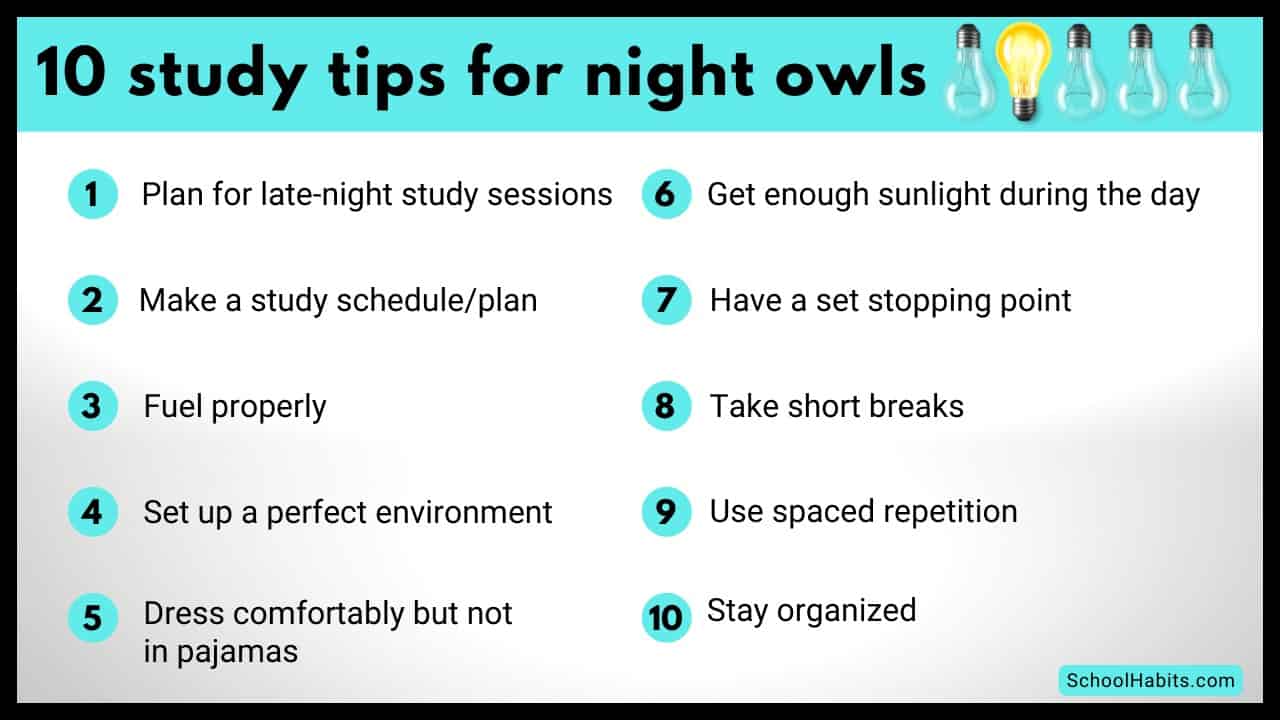
3. Crafting the Ideal Night-Time Creative Environment: Optimize your workspace for evening work. Use warm, dim lighting to maintain melatonin regulation. Employ tools like website blockers to defend your focus during these precious hours. Create a ritual to signal the start of your deep work session.
4. Sleep Hygiene for Late Risers: Protect your sleep at all costs. Use blackout curtains, maintain a cool room temperature, and establish a consistent wind-down routine, even if it begins in the early morning hours. Quality daytime sleep is non-negotiable for cognitive function.
B. For Forward-Thinking Organizations:
1. Implement True Flexibility: Move beyond rigid schedules. Offer core collaboration hours but allow employees to design their workday around their chronotype. The goal is to evaluate output and innovation, not hours spent at a desk at 9 AM.
2. Diversity in Chronotype Teams: Intentionally build teams with a mix of larks and owls. This ensures that creative problem-solving can happen across a wider range of hours and leverages different cognitive styles. A lark may provide excellent analytical structure to an owl’s late-night innovative idea.
3. Redefine “Productivity”: Challenge the assumption that early equals productive. Foster a culture that values results and creative contributions, regardless of when they occur. This psychological safety allows owls to contribute their best work without stigma.
Addressing the Caveats: Balance and Health Considerations
Celebrating the night owl’s creativity must be tempered with an honest discussion about health and balance.
A. The Sleep Imperative: Creativity cannot flourish on chronic sleep deprivation. Whether an owl or a lark, adults require 7-9 hours of quality sleep. The key for owls is achieving this on their delayed schedule, not conforming to a shorter, misaligned sleep window.
B. Light Exposure and Circadian Entrainment: Managing light is crucial. Owls should seek bright light exposure during the latter part of the day to help reinforce their cycle, while minimizing blue and bright light exposure immediately upon waking if their wake time is late.
C. Social and Mental Well-being: The owl’s schedule can create social isolation. It’s vital to proactively schedule meaningful connections and leverage the advantages of asynchronous communication to stay connected with the wider world.
Conclusion: Embracing the Darkness to Illuminate Innovation
The evidence is compelling: the night owl chronotype is not a disadvantage but a different and profoundly creative way of engaging with the world. The link between eveningness and higher creativity is rooted in genetics, neuroscience, and psychology. It is amplified by the unique, low-distraction environment that the night provides. As we move towards a future that prizes innovation and original thought, it is imperative that we dismantle the archaic “early bird” bias. By embracing chronodiversity, granting autonomy over work schedules, and valuing output over optics, we can unlock a vast reservoir of human creativity that has been, for too long, stifled by the morning alarm. The darkness does not signify an end, but for the creative mind, a beginning. It is in the quiet hours of the night that many find the clarity, freedom, and cognitive spark to generate the ideas that will shape our tomorrow.