For centuries, the narrative of human prehistory has been painstakingly pieced together from scattered artifacts, fossilized bones, and archaeological sites. These traditional tools painted a broad-brush picture of how our ancestors moved across the globe. However, a revolutionary scientific discipline has emerged in recent decades, fundamentally altering our understanding of human origins and movement: the study of ancient DNA (aDNA). This molecular archaeology allows us to extract and sequence genetic material from long-deceased individuals, offering a direct, unedited window into the past. Groundbreaking advancements in aDNA research are now systematically dismantling long-held theories, revealing a far more complex, interconnected, and dynamic story of human migration than ever imagined. This in-depth exploration delves into how ancient genomics is rewriting the textbooks, uncovering lost populations, tracing epic journeys, and revealing the intricate web of relationships that define humanity’s shared heritage. We will traverse from the frigid expanses of Siberia to the sun-drenched islands of the Pacific, guided by the silent testimony encoded in millennia-old genetic material.
Part 1: The Technological Revolution – How We Hear the Whispers of the Past
Before understanding the revelations, one must appreciate the monumental technological feat that is ancient DNA analysis. Unlike modern genetic material, aDNA is a fragile, degraded puzzle.
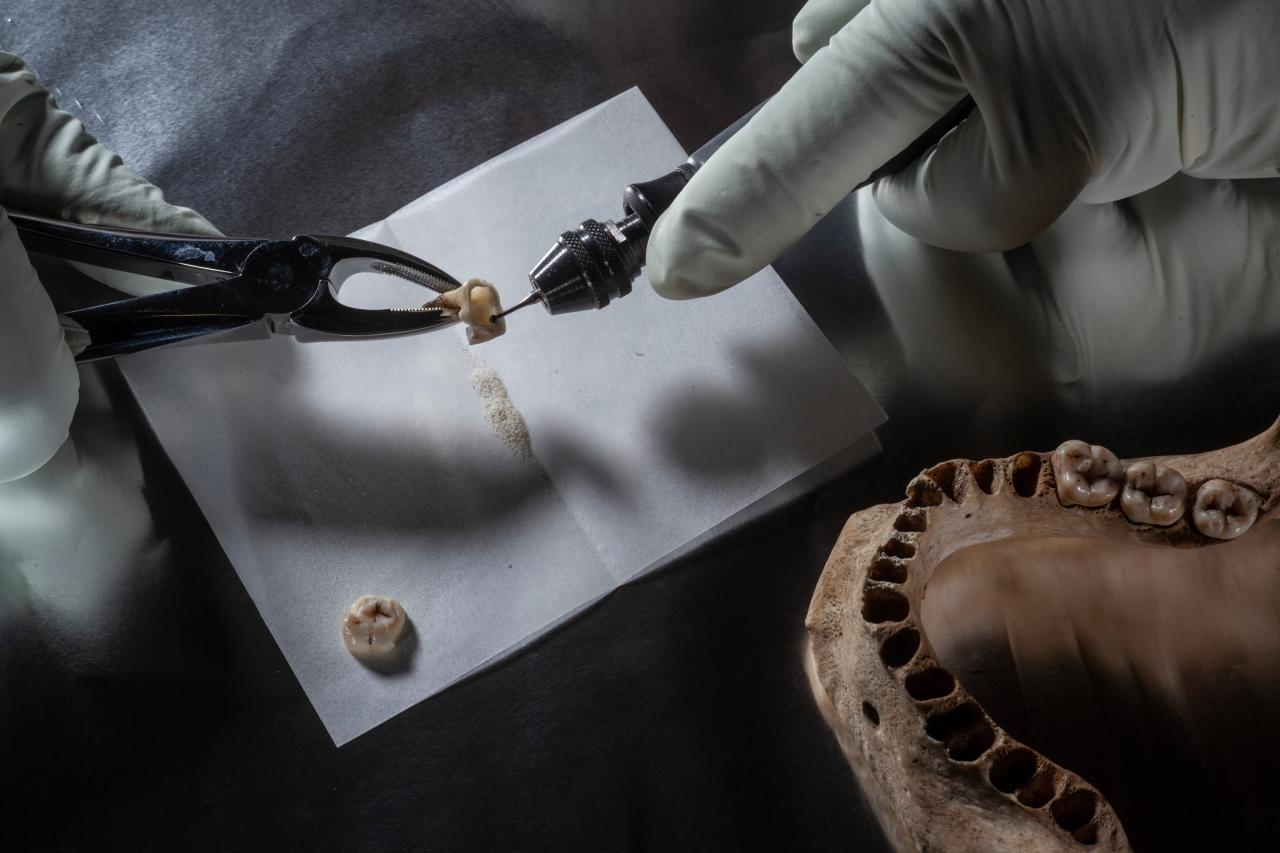
A. The Extreme Challenges of aDNA: Genetic material decays over time, breaking into tiny fragments and becoming contaminated by modern DNA from microbes, archaeologists, or the environment. Extracting usable data from bones or teeth thousands of years old requires pristine laboratory conditions, often in cleanrooms with positive air pressure and full-body suits.
B. Next-Generation Sequencing (NGS) Breakthroughs: The key catalyst was the development of NGS technologies. These methods allow scientists to sequence millions of DNA fragments simultaneously, piecing together the ancient genome like a colossal jigsaw puzzle, even from highly degraded samples. Sophisticated bioinformatics filters then separate the authentic ancient human signal from contamination.
C. The Power of Population Genomics: It is not the study of a single individual but the comparative analysis of genomes from dozens or hundreds of ancient people across different time periods and geographic locations that yields transformative insights. By tracking changes in gene pools over millennia, researchers can map migrations, admixture events (interbreeding), and population replacements with unprecedented precision.
Part 2: Dismantling Old Paradigms – The Fall of Simple Migration Models
Traditional models often depicted human expansion as a series of distinct, sequential waves. aDNA has shown this to be an oversimplification, revealing processes of “pulse and admixture,” stagnation, and complex reflux.
A. The Peopling of the Americas: A Staggered and Diverse Journey. The classic “Bering Land Bridge” and “Clovis First” model proposed a single migration from Siberia around 13,000 years ago. Ancient DNA tells a richer, more convoluted tale.
1. Multiple Founding Populations: Genetic evidence from ancient remains like the 11,500-year-old Upward Sun River individual in Alaska indicates that the ancestors of all Indigenous peoples in the Americas diverged from their East Asian ancestors in a single founding population, but this split occurred before entering the Americas.
2. The Ghost Population of “Population Y”: Studies of modern Amazonian groups show a distant, faint genetic signal shared with indigenous groups from Australia, Melanesia, and the Andaman Islands. This suggests an earlier, mysterious migratory pulse possibly along coastal routes, whose physical remains have yet to be fully identified a true “ghost population” inferred solely from genetics.
3. Later Arctic Migrations: Genomes from ancient and modern Inuit people reveal a much more recent, separate migration from Siberia into the Arctic regions of North America and Greenland, beginning around 5,000 years ago, completely distinct from the earlier First Peoples.
B. Europe’s Tumultuous Genetic History: A Palimpsest of Migrations. Europe was once thought to be settled by a gradual advance of Neolithic farmers from the Near East, replacing hunter-gatherers. aDNA reveals a story of dramatic turnover and mixture.
1. The Hunter-Gatherer Baselines: The first modern humans in Europe, post-Last Ice Age, were diverse groups of hunter-gatherers with dark skin and light eyes, as seen in the 7,000-year-old “Cheddar Man” from Britain.
2. The Farmer Incursion: Starting 9,000 years ago, farmers from Anatolia (modern Turkey) swept across Europe, bringing not only agriculture but also a distinct genetic profile. For a time, they lived alongside but largely separate from the indigenous hunter-gatherers.
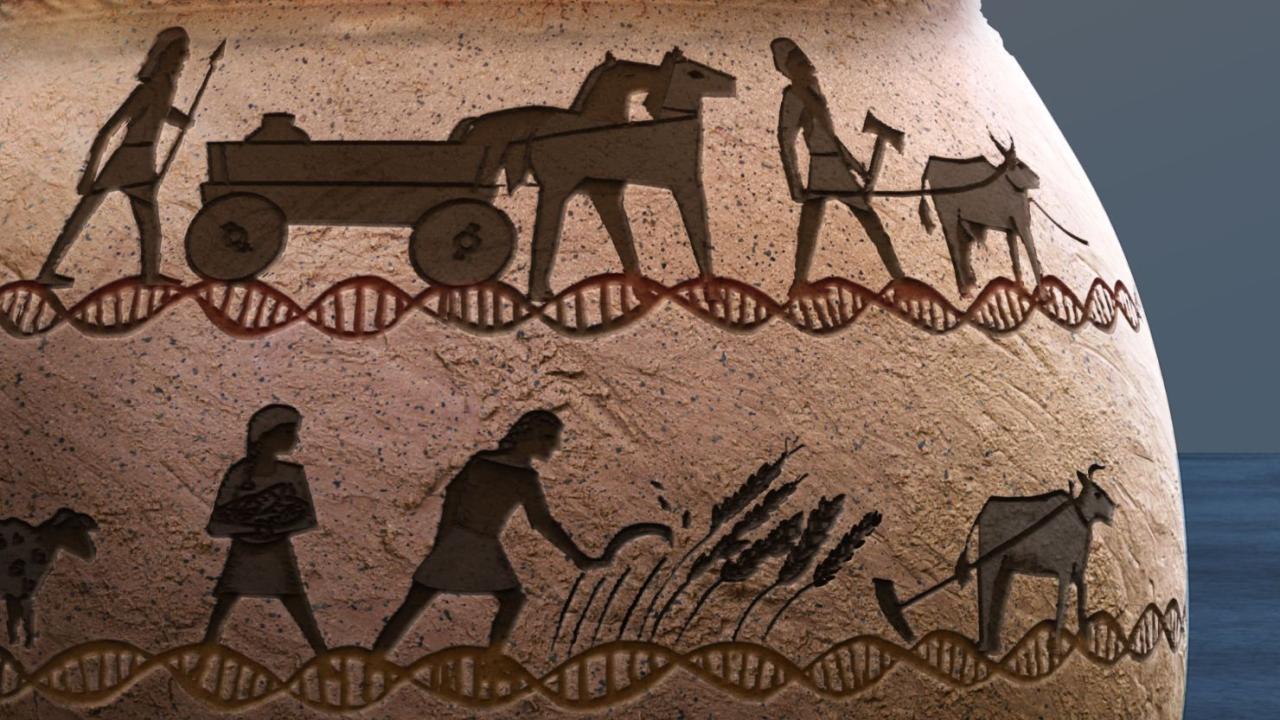
3. The Steppe Pastoralist Upheaval: A cataclysmic genetic shift occurred around 5,000 years ago with the migration of the Yamnaya and related pastoralist peoples from the Pontic-Caspian steppe (modern Ukraine/Russia). These horse-riding, wheel-using people carried genes for tall stature and, likely, Indo-European languages. They massively contributed to the genetic makeup of modern Europeans, particularly in Northern Europe, often replacing or overwhelmingly mixing with the previous farming populations.
Part 3: Uncovering Lost Worlds and Ghost Populations
One of the most profound contributions of aDNA is its ability to identify populations that left no direct linguistic or cultural descendants, yet live on in our genes.
A. The Denisovans: Asia’s Enigmatic Archaic Human. Before aDNA, we knew of Neanderthals but had no physical evidence of the Denisovans beyond a single finger bone and a few teeth from a Siberian cave. Genomics revealed they were a distinct sister group to Neanderthals.
1. Widespread Genetic Legacy: While physically extinct, Denisovans interbred with modern humans. Today, their DNA is found highest in Melanesian and Aboriginal Australian populations (up to 5-6%), with smaller amounts across East and South Asia.
2. Adaptive Introgression: This mixing wasn’t random. Denisovan genes associated with high-altitude adaptation, like the EPAS1 gene, were critically beneficial to Tibetan populations, allowing them to thrive in the thin air of the Himalayan plateau a stunning example of how interbreeding with archaic humans provided survival tools.
B. The “Ancient North Eurasians” (ANE): Geneticists identified a widespread ancestral component represented by the 24,000-year-old Mal’ta boy from Siberia. This ANE lineage is a major building block for both Native Americans (contributing roughly 40% of their ancestry) and, later, the Yamnaya steppe pastoralists who transformed Europe. This group was a crucial bridge connecting the prehistory of West and East.
Part 4: Reshaping Regional Histories – From Polynesia to South Asia
The rewriting extends to every corner of the map, resolving long-standing archaeological debates.
A. The Polynesian Triangle: An Epic Voyage, Clarified. The settlement of the remote Pacific islands is humanity’s most breathtaking navigational achievement. aDNA from ancient Lapita culture skeletons (the ancestors of Polynesians) confirms their origin in a mix of Austronesian-speaking migrants from Taiwan and indigenous Papuan populations from Near Oceania. It shows a deliberate, rapid “leapfrog” expansion eastward, with limited back-migration, solidifying the narrative of intentional exploration rather than accidental drift.
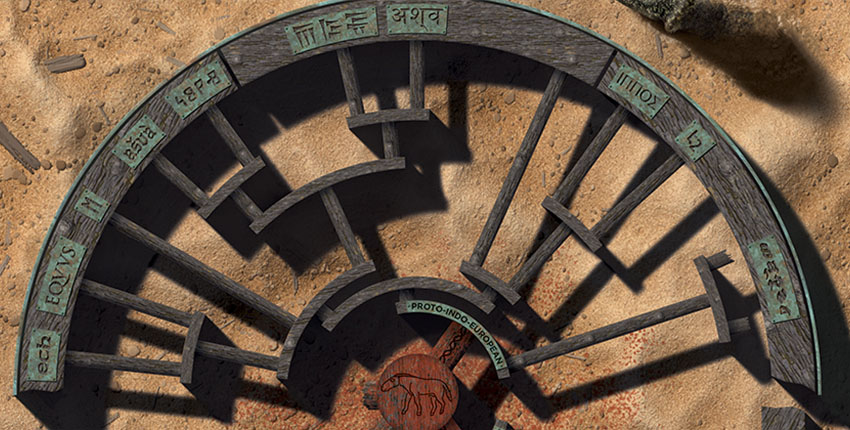
B. South Asia’s Aryan Migration Debate: The origins of the caste system and Indo-Aryan languages in India have been fiercely debated. Ancient DNA from the Indus Valley Civilization and later individuals reveals a clear pattern: a significant influx of steppe pastoralist ancestry (related to the Yamnaya) into South Asia around 2000-1500 BCE. This genetic input correlates strongly with the introduction of Indo-European languages (Sanskrit) and likely played a role in shaping the social structure of the subcontinent.
Part 5: Ethical Imperatives and Future Horizons
The power of aDNA comes with profound responsibility. These bones are not just data points; they are the remains of ancestors, often from marginalized or Indigenous communities.
A. Consent, Collaboration, and Sovereignty: Modern ethical practice mandates close collaboration with descendant communities. Projects like the “Ethical Path” emphasize that research must be led by or done with, not just on, these communities, respecting their cultural beliefs, sovereignty, and right to control their ancestral genetic heritage.
B. Climate Change and the Race Against Time: Ironically, global warming is both a threat and an opportunity. Thawing permafrost is exposing ancient organic remains at an unprecedented rate, offering new samples but also risking their rapid decay once exposed. This creates an urgent salvage archaeology imperative.
C. The Next Frontier: Phenomics and Pathogen Genomics. Future research is moving beyond ancestry. Scientists are now analyzing genes for physical traits (phenomics) to reconstruct the appearance, disease susceptibility, and even behavior of ancient peoples. Furthermore, sequencing ancient pathogens from teeth can trace the evolution of pandemics like the plague, revealing how diseases shaped human demographics and history in ways previously invisible.
Conclusion: A Living, Breathing Narrative of Human Interconnectedness
The story told by ancient DNA is not one of pure, isolated lineages but of constant movement, encounter, and mixture. It demonstrates that migration is the norm, not the exception, in human history. Our species’ journey is characterized by remarkable resilience and adaptability, forged through repeated episodes of meeting, mixing, and merging with other groups both modern and archaic. Each of us carries within our cells a living chronicle of these epic journeys, a mosaic of encounters from the deep past. The study of ancient DNA has humbled us, showing that our origins are far more tangled and interconnected than the simple family trees of old textbooks. It rewrites not just migration maps, but our very conception of what it means to be human a species forever shaped by its voyages.