
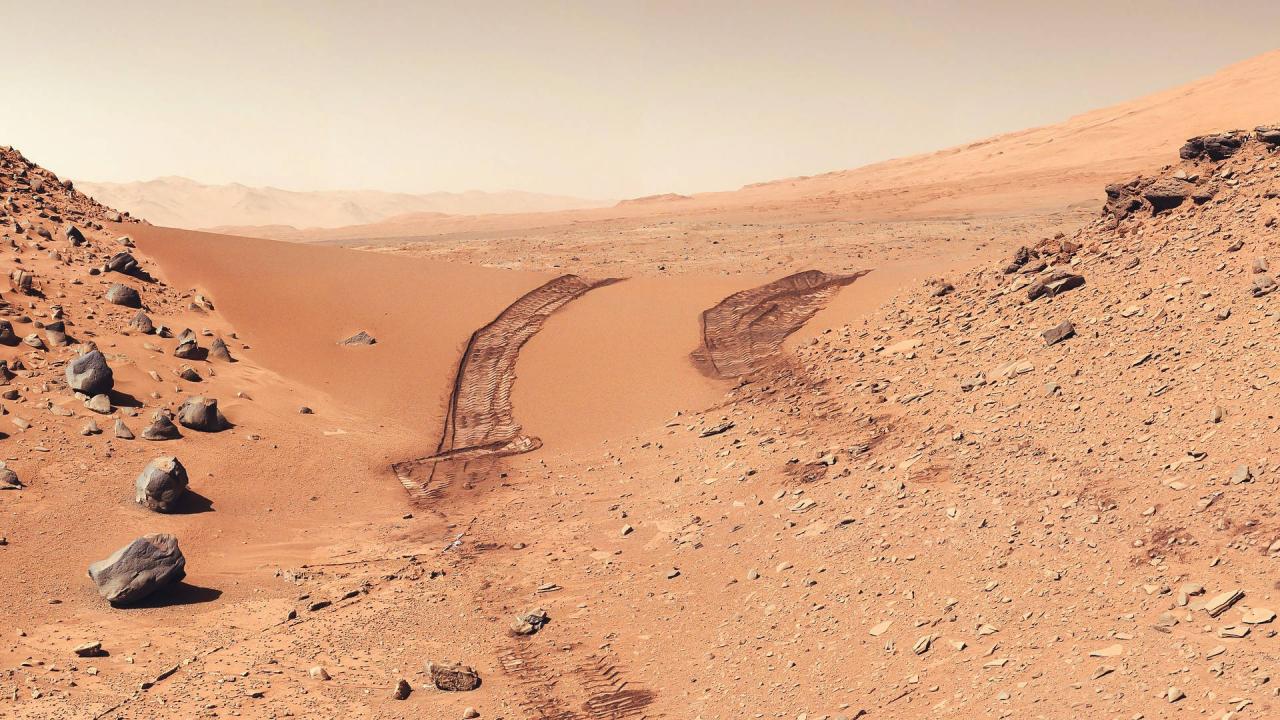
The enigmatic red planet, Mars, has captivated human imagination for centuries. Once a symbol of war and mystery, it is now the focal point of humanity’s most profound scientific question: Are we alone in the universe? Recent, meticulous analysis of Martian regolith the fine, dusty soil that blankets the planet’s surface has yielded a discovery that is sending shockwaves through the scientific community. This isn’t about finding little green men; it’s about unearthing complex chemical signatures and environmental data that collectively point to a reality far more thrilling and intricate than previously imagined. This comprehensive article delves deep into the findings, explaining not just what was found, but why it is fundamentally reshaping our understanding of Mars’s past, present, and potential for life.
For decades, our perception of Martian soil was that of a barren, toxic wasteland. Data from early missions painted a picture of an irradiated, freeze-dried desert, utterly inhospitable to biology as we know it. The dominant narrative suggested that any potential for life was locked away in the distant past, billions of years ago when Mars may have had flowing water and a thicker atmosphere. The modern surface was considered a dead end. This latest research, synthesizing data from instruments like the Sample Analysis at Mars (SAM) suite onboard NASA’s Curiosity rover and comparative studies from Martian meteorites, forcefully challenges that simplistic view. The soil is not merely inert dirt; it is a dynamic, chemically complex medium holding secrets to planetary evolution and, potentially, the precursors or even remnants of life.
A. Deconstructing the Toxicity: Perchlorates and the Hidden Water Cycle
The initial layer of discovery revolves around reinterpreting known hazards. Martian soil is notoriously rich in perchlorates (chlorine-oxygen compounds). Historically, these were viewed as a definitive nail in the coffin for surface life due to their extreme toxicity to most Earth organisms. However, the new analysis presents a fascinating paradox.
A. Perchlorates are hygroscopic, meaning they aggressively absorb water vapor from the atmosphere. Even in Mars’s incredibly thin and dry air, this process forms stable brines pockets of liquid saline water within the soil matrix, particularly just below the surface and in shaded regions. This implies a subtle, ongoing water cycle active on Mars today, driven by atmospheric humidity and soil chemistry, not by rainfall or rivers.
B. These brine micro-environments are crucial. While the perchlorates are toxic, the presence of liquid water, even in a salty form, is the universal solvent essential for biochemical reactions. This creates what scientists term “specialized environmental niches.” On Earth, we find extremophile microbes thriving in similarly hostile places, like the Atacama Desert or within perchlorate-rich lakes in Antarctica.
C. Furthermore, when heated as happens during sample analysis by rover instruments or potentially through natural geothermal activity perchlorates can release oxygen. This oxygen could serve as a potent chemical energy source for any hypothetical, resilient microorganisms, turning a poison into a potential fuel.
B. The Organic Enigma: Complex Carbon Compounds Beyond Contamination
The second, and more startling, pillar of the discovery is the confirmed presence of a diverse array of native organic molecules. Earlier detections were often met with skepticism, primarily due to the potential for contamination from Earth or delivery by meteorites. Advanced analytical techniques have now ruled out these sources for a significant portion of the findings.
A. The soil samples show a varied cocktail of organic carbon, including thiophenes (ring-structured molecules containing carbon, hydrogen, and sulfur), aromatic hydrocarbons like benzene, and, most provocatively, chain-like carbon compounds that are precursors to amino acids the building blocks of proteins.
B. The patterns of these molecules are inconsistent with simple meteoritic infusion. They show signs of preservation and possibly formation within the Martian geological context, likely involving interactions between water, bedrock minerals, and atmospheric carbon dioxide over geological timescales.
C. The key is not just their presence, but their context. These organics were found drilled from ancient mudstone, a rock type that forms in calm, watery environments. They are also associated with identifiable nitrogen and sulfur cycles in the soil, elements vital for life. This correlation suggests these organics are not random space dust; they are fossils of a once-active, wet, and chemically rich environment where the prebiotic conditions for life were not just met, but were potentially abundant.
C. Biosignatures or Geosignatures? The Iron and Sulfur Conundrum
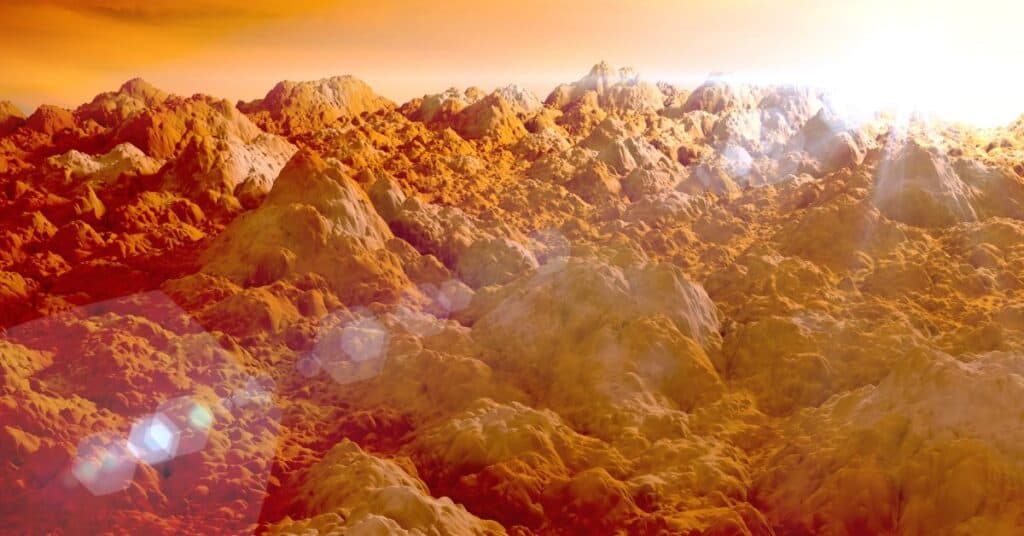
The most heated scientific debate stems from specific mineralogical signatures. The soil analysis revealed unusual ratios of isotopes (different atomic weights of the same element) in carbon and sulfur compounds. On Earth, life preferentially uses lighter isotopes because they require less energy to break and form bonds. The Martian samples show similar light isotope enrichments.
A. Additionally, the study documents the presence of specific iron and sulfur minerals, like jarosite and certain sulfates, in morphologies that on Earth are often but not exclusively shaped by microbial activity. These minerals can form through purely abiotic (non-living) geological processes, but the combination of their structure, their co-location with organics, and the isotopic data creates a compelling, though not yet conclusive, pattern.
B. This is the core of the “shocking” aspect: scientists are now openly discussing that the ensemble of data liquid water brines, complex native organics, light isotope patterns, and life-suggestive mineralogy is consistent with a biological explanation. The soil appears to be preserving what could be interpreted as a fossilized microbial ecosystem, or at the very least, the chemical playground where life could have easily arisen.
C. The alternative is an entirely abiotic, yet extraordinarily intricate, suite of geochemical processes that coincidentally mimics the biosignatures we recognize. Distinguishing between these two possibilities is the greatest challenge in astrobiology today.
D. Implications for Past, Present, and Future Martian Life
This composite discovery forces a radical re-evaluation of the timeline and nature of Martian habitability.
A. The Deep Past (3+ Billion Years Ago): The evidence solidifies the theory that early Mars was a world of persistent lakes, rivers, and potentially a global ocean. The soil chemistry we see today is the evolved product of that era. If life did emerge then, the new data suggests its chemical fingerprints have been preserved remarkably well in the clay and mudstone, protected from radiation by overlying layers of rock and regolith.
B. The Present Day: The discovery of potential brine formations and chemical energy sources (like perchlorate-derived oxygen) radically changes the search for extant (currently existing) life. It shifts the focus from the surface which is indeed brutally irradiated to the subsurface, specifically the first few meters of soil where these brines might exist. Martian life, if present today, would likely be a subsurface, salt-loving (halophilic) chemoautotroph, using chemical energy from perchlorates or other soil compounds rather than sunlight.
C. The Future of Exploration: This study acts as a direct guidebook for future missions. It highlights the critical importance of in-situ soil analysis and, ultimately, sample return. The NASA Perseverance rover’s mission to collect and cache samples for a future return to Earth is now of paramount importance. These findings also dictate the design of new instruments capable of detecting more subtle biosignatures and even drilling to retrieve pristine subsurface samples shielded from cosmic rays.
E. Challenges and Ethical Considerations in the Pursuit of Proof
Despite the excitement, monumental challenges remain. Conclusively proving the existence of past or present life is an extraordinary claim that requires extraordinary evidence, which current robotic missions may be unable to provide definitively.
A. The risk of false positives from terrestrial contamination is ever-present, necessitating even more stringent sterilization protocols and analytical controls.
B. There is a growing philosophical and planetary protection debate: if we locate a potential subsurface brine habitat with signs of activity, should we drill into it? The risk of forward contamination (from Earth microbes on our robots) could irreversibly destroy a native ecosystem. The ethical framework for interacting with potential non-intelligent extraterrestrial life is still being formulated.
C. The scientific process itself is iterative. These findings are a milestone, not a finish line. They provide a focused set of hypotheses to test with every new piece of data from ongoing and future missions, like those of the Perseverance rover and the upcoming ExoMars Rosalind Franklin rover, which is specifically designed to drill deep for biomarkers.
Conclusion: A New Chapter in Planetary Science
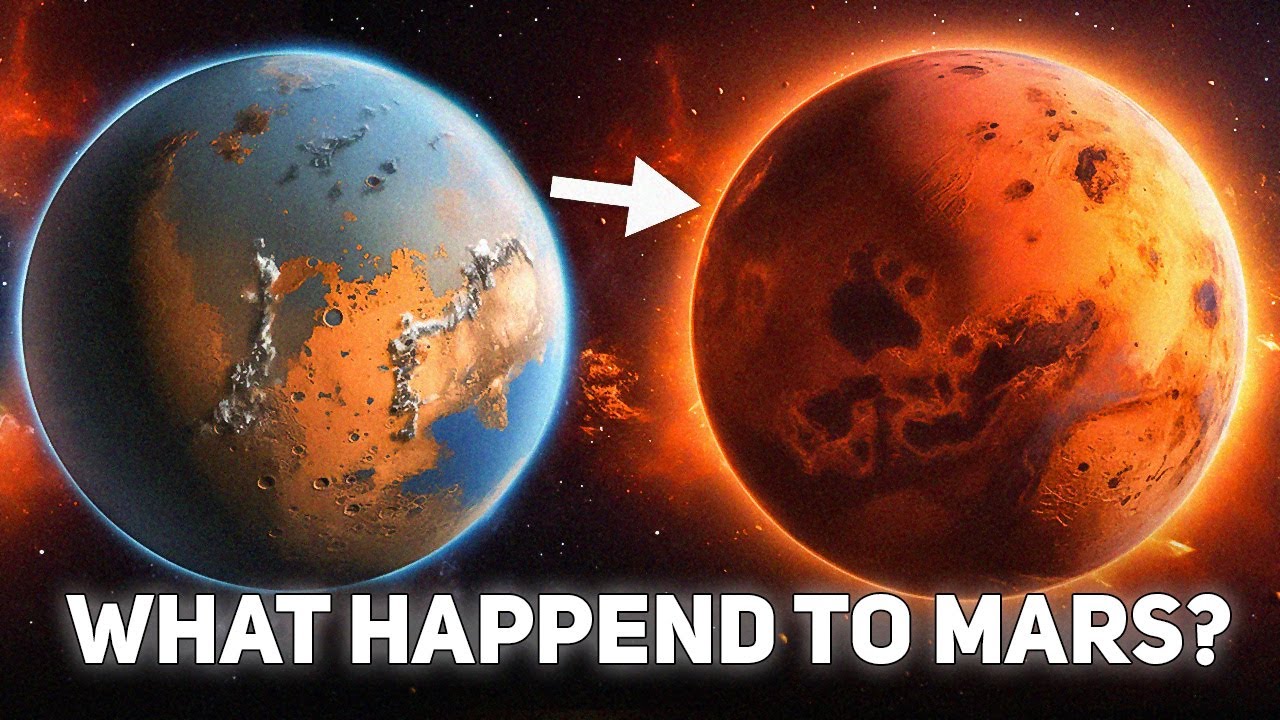
The shocking discovery within Martian soil is not a single, dramatic artifact, but a profound synthesis of chemistry, geology, and potential biology. It tells the story of a world that was once profoundly habitable and may still be biologically active in a quiet, subsurface realm. The soil is no longer seen as a mere layer of dust, but as a historical archive, a chemical laboratory, and a potential habitat. This revelation elevates Mars from a “dead planet” to a “possibly living world,” making it the prime target for one of humanity’s most ambitious quests. While definitive proof of life still lies in the future, this research has fundamentally altered the odds, suggesting that the answer to “Are we alone?” may literally be buried in the red dirt of our planetary neighbor, waiting for us to dig just a little deeper. The universe, it seems, has written its most tantalizing secrets in the chemistry of soil, and on Mars, we are finally learning to read them.