
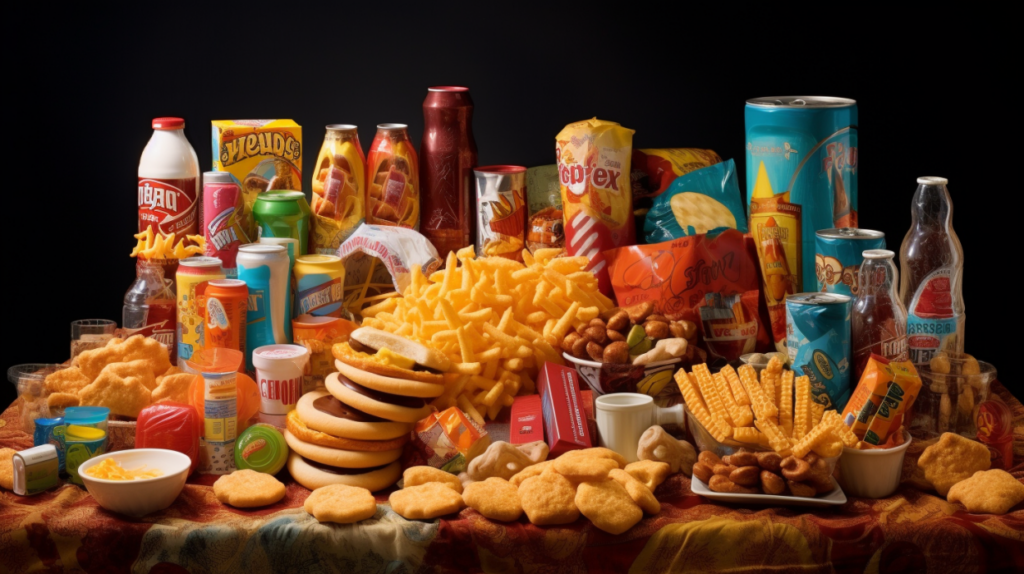
A groundbreaking series of scientific studies has sent shockwaves through the global health community, forcing a critical re-evaluation of the modern diet. The subject of this urgent scrutiny is ultra-processed food (UPF), a category that has stealthily come to dominate grocery store aisles and kitchen pantries worldwide. Far beyond simple processing like freezing or canning, these industrially manufactured concoctions are engineered for profitability, hyper-palatability, and long shelf life, often at a profound cost to human health. This comprehensive analysis delves deep into the science, the alarming health implications, the deceptive marketing strategies, and, most importantly, the actionable steps you can take to reclaim your dietary health and protect your long-term well-being.
Understanding the NOVA Classification System: The Four-Tier Food Framework
To grasp the full scope of the issue, one must first understand the NOVA classification system, developed by Brazilian researchers. This framework categorizes all foods and beverages into four distinct groups based on the nature, extent, and purpose of the processing they undergo.
A. Unprocessed or Minimally Processed Foods: This group forms the cornerstone of a healthy diet. It includes whole foods like fresh fruits and vegetables, nuts, seeds, meat, fish, eggs, and milk. Minimal processing may involve cleaning, removal of inedible parts, drying, crushing, pasteurization, refrigeration, or freezing processes that do not add substances like oil, sugar, salt, or fats.
B. Processed Culinary Ingredients: These are substances derived from Group A foods or from nature, used to prepare, season, and cook. They include oils, butter, lard, sugar, salt, and vinegar. They are typically not consumed alone but are essential agents in culinary preparation.
C. Processed Foods: These are products made by adding Group B ingredients (salt, sugar, oil) to Group A foods to enhance durability or palatability. Examples include canned vegetables in brine, canned fish in oil, simple cheeses, and freshly made, unpackaged bread. They usually contain two or three recognizable ingredients.
D. Ultra-Processed Foods (UPFs): This is the category of primary concern. These are not merely “processed foods” but are formulations of industrial ingredients, often containing little to no intact whole food. They are created through complex sequences of processes like extrusion, molding, and pre-frying. Key markers include:
-
The presence of ingredients you would not find in a home kitchen: high-fructose corn syrup, hydrogenated oils, hydrolyzed proteins, flavor enhancers, artificial colors, emulsifiers, thickeners, and bulking agents.
-
They are designed to be highly profitable (low-cost ingredients), convenient (ready-to-consume), hyper-palatable (engineered to override natural satiety signals), and branded aggressively.
The Alarming Scientific Evidence: Connecting UPFs to Chronic Disease
Recent longitudinal cohort studies, involving hundreds of thousands of participants over decades, have moved the consensus from correlation to strong causation. The mechanisms are multifaceted and deeply concerning.
A. Metabolic Havoc and Obesity: UPFs are meticulously engineered for overconsumption. Their optimized combination of fat, sugar, salt, and artificial flavors targets the brain’s reward centers more powerfully than whole foods, leading to addictive eating patterns. Furthermore, their soft texture requires less chewing, leading to faster eating rates and delayed satiety signals. The lack of fiber and protein, crucial for fullness, means individuals consume significantly more calories before feeling satisfied.
B. Gut Microbiome Disruption: The gut microbiome, a complex ecosystem of trillions of bacteria, is crucial for immune function, metabolism, and mental health. Many emulsifiers and artificial sweeteners common in UPFs (e.g., carboxymethylcellulose, polysorbate-80, aspartame) have been shown in preclinical studies to disrupt the gut lining, promoting inflammation and altering microbial composition. This “leaky gut” can trigger systemic, low-grade inflammation a root cause of numerous chronic diseases.
C. Systemic Inflammation and Cellular Aging: The cocktail of additives, industrial oils high in omega-6 fatty acids, and advanced glycation end products (formed during high-temperature processing) creates a pro-inflammatory state in the body. Chronic inflammation is a known driver of atherosclerosis, insulin resistance, and even cellular aging, as evidenced by studies linking high UPF consumption to shortened telomeres the protective caps on chromosomes.
D. Specific Disease Associations: Robust data now links high UPF intake to a staggering array of conditions:
-
Cardiovascular Disease: Increased risks of hypertension, heart attack, and stroke.
-
Type 2 Diabetes: Impaired insulin sensitivity and pancreatic strain.
-
Certain Cancers: Particularly colorectal, breast, and prostate cancers.
-
Depression and Anxiety: The gut-brain axis disruption and nutrient deficiencies play a key role.
-
All-Cause Mortality: Multiple studies confirm that higher UPF consumption correlates with a significantly elevated risk of dying from any cause.
Beyond the Ingredients: The Sociocultural and Economic Engine
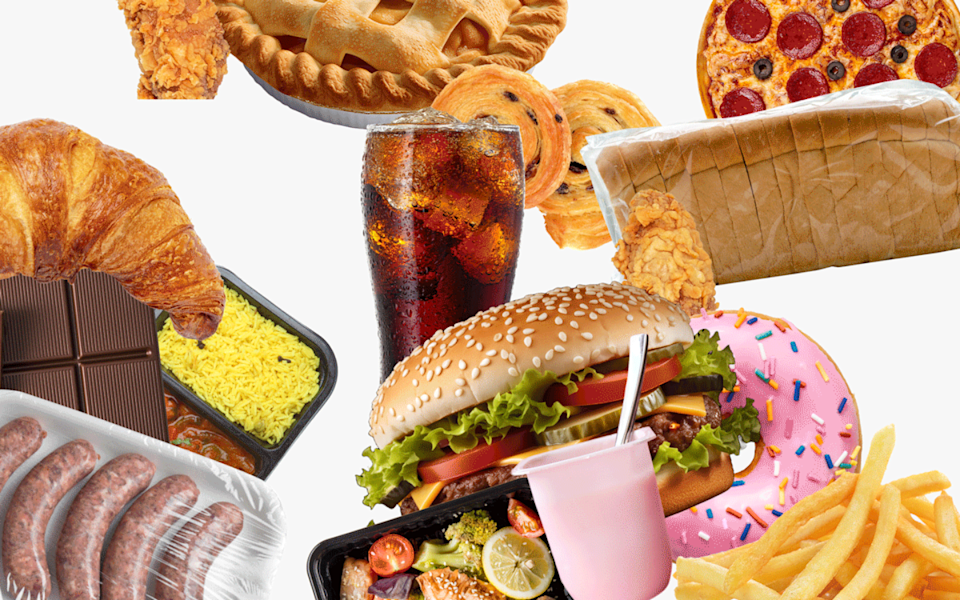
The ubiquity of UPFs is not accidental. It is the result of a powerful, multi-pronged industrial strategy that creates a challenging environment for consumers.
A. Aggressive Marketing and Misleading Labels: UPF brands deploy sophisticated marketing, often targeting children and vulnerable populations. Labels are festooned with health halos like “natural,” “fortified with vitamins,” “high in fiber,” or “low-fat,” distracting from the underlying unhealthy formulation. Terms like “whole grain” on a sugary cereal or “fruit-flavored” on a drink with 5% juice are classic tactics.
B. Economic Accessibility and Food Deserts: UPFs are cheap to produce, have long shelf lives, and are readily available. In many low-income communities and “food deserts” areas with limited access to fresh, whole foods they are often the most affordable and convenient option. This creates a pernicious cycle where socioeconomic status directly impacts dietary quality and health outcomes.
C. The Illusion of Convenience: In time-poor societies, the ready-to-eat or ready-to-heat nature of UPFs is a major selling point. The food industry has successfully framed cooking from scratch as a laborious luxury, rather than a fundamental life skill and health imperative.
A Practical Guide to Identifying and Avoiding Ultra-Processed Foods
Arming yourself with knowledge is the first step toward defense. Here is a detailed action plan.
A. Master the Art of Label Reading: The ingredient list is your most powerful tool. Reject products that contain:
-
Unfamiliar chemical names: Maltodextrin, monosodium glutamate (MSG), sodium nitrite, carrageenan, artificial colors (Blue 1, Red 40).
-
Industrial sweeteners: High-fructose corn syrup, fructose-glucose syrup, aspartame, sucralose, acesulfame potassium.
-
Industrial fats: Hydrogenated or interesterified oils, palm oil (often linked to deforestation).
-
A long list of ingredients, especially if you cannot picture them in their raw form.
B. Shop the Perimeter: A classic but effective strategy. Supermarkets are typically designed with whole foods produce, meat, dairy, eggs on the outer aisles. The inner aisles are dominated by UPFs. Fill your cart from the perimeter first.
C. Embrace Home Cooking and Batch Preparation: Reclaiming control of your kitchen is the single most effective antidote. Start with simple recipes. Dedicate a few hours on the weekend to batch-cooking grains, legumes, and vegetables, and preparing sauces or soups. This builds “convenience” back into whole-food eating.
D. Redefine “Fast Food”: Your fast food can be a can of rinsed beans tossed with pre-washed greens, cherry tomatoes, olive oil, and lemon juice; or overnight oats with nuts and berries. It does not need to come from a drive-thru.
E. Be Wary of “Healthy” UPFs: This is a rapidly growing category. Plant-based burgers, dairy-free cheeses, protein bars, and gluten-free snacks can be just as ultra-processed as a bag of chips. Apply the same label scrutiny. A plant-based ingredient list filled with isolates and gums is not a health food.
Addressing Common Challenges and Counterarguments
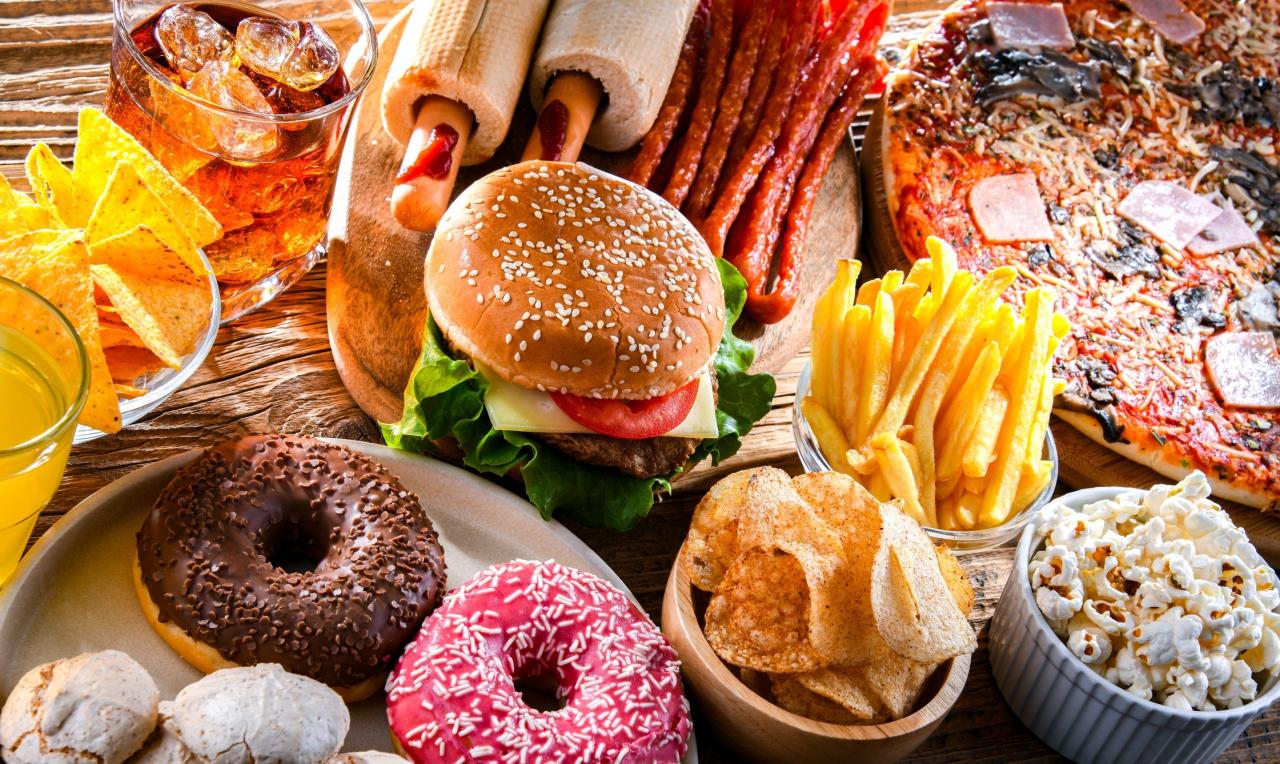
A. “But It’s So Expensive to Eat Healthy!”: While some healthy foods are costly, a diet based on legumes, seasonal vegetables, whole grains, and eggs can be economical. The true cost of UPFs is externalized to healthcare systems and lost productivity due to chronic disease. Investing in whole foods is an investment in future health savings.
B. “I Don’t Have Time to Cook!”: This is a valid concern in a fast-paced world. The solution lies in shifting mindset and skill-building. Start with one or two simple meals a week. Use time-saving tools like slow cookers or pressure cookers. The time spent preparing real food is an act of self-care, not a chore.
C. “What About Fortification?”: The food industry often argues that UPFs are fortified with essential vitamins and minerals. However, nutrition science consistently shows that nutrients are best absorbed and utilized when they come from whole food matrices, not when synthetically added to a nutrient-poor base. You cannot fortify your way out of an unhealthy formulation.
The evidence is no longer a spark of panic but a sustained beacon of warning. The systemic shift toward ultra-processed food consumption represents one of the most significant public health failures of the modern era. It is a crisis driven by profit, engineered addiction, and systemic inequality. However, empowerment begins with individual awareness and choice. By learning to identify these industrial formulations, consciously prioritizing whole and minimally processed foods, and advocating for clearer labeling and better food policies, we can collectively push back against this tide. The path to better health does not lie in a new superfood or fad diet; it lies in a fundamental return to real, recognizable food. The journey begins with your very next meal choice.